
The Dementia Care Pathway is both a series of educational articles and a wider vision for what good dementia care could look like.
Rather than treating diagnosis as a single event, the pathway looks at dementia care as an ongoing process. It brings together early recognition, proactive brain health, diagnosis, treatment, caregiver support, planning, and quality of life. The aim is to help families, loved ones, and caregivers understand how all those pieces fit together.
Browse the collection of articles below:
Building a Dementia Care Pathway
What would better dementia care look like if we connected the different stages rather than treating them in isolation? Dr. Forester explains the case for a coordinated pathway from brain health and early recognition through diagnosis, treatment, and longer-term support.
Can We Be Proactive About Brain Health?
Brain health matters before and after concerns about memory arise. In Brain Health: How Everyday Choices Can Reduce Dementia Risk, Dr. Forester looks at the evidence around modifiable risk factors and explains how movement, nutrition, sleep, cardiovascular health, and other everyday factors may help protect cognitive health.
What Happens After a Dementia Diagnosis?
Receiving a diagnosis answers an important question, but it can leave families wondering what comes next. In What Happens After a Dementia Diagnosis?, Dr. Forester explains how treatment, education, support, and forward planning can help families build a care plan around the person’s changing needs.
Can Primary Care Diagnose and Treat Dementia?
For many families, the primary care provider is the first person they approach about changes in memory or thinking. In Can a Primary Care Doctor Diagnose and Treat Dementia?, Dr. Forester explains what primary care can handle, when specialist input may be needed, and why coordination matters.
What Is the Role of a Geriatric Psychiatrist in Dementia Care?
Dementia can affect far more than memory. Changes in mood, behavior, sleep, perception, and personality can become some of the most difficult symptoms for families to manage. In What Is the Role of a Geriatric Psychiatrist in Dementia Care?, Dr. Forester explains where this specialty fits into the wider care team.
Why Is the Caregiver Part of the Dementia Care Plan?
Family caregivers often provide crucial information and carry much of the responsibility for putting a care plan into practice. In Why Is the Caregiver Part of the Dementia Care Plan?, Dr. Forester explores caregiver health, accepting support, and why clinicians need to understand the people surrounding the person with dementia.
How to Live Well with Dementia
There is no single definition of living well with dementia. In How to Live Well with Dementia, Dr. Forester explores medical care, social and cognitive engagement, independence, and the difficult balance between managing genuine safety risks and allowing someone to keep participating in the world around them.
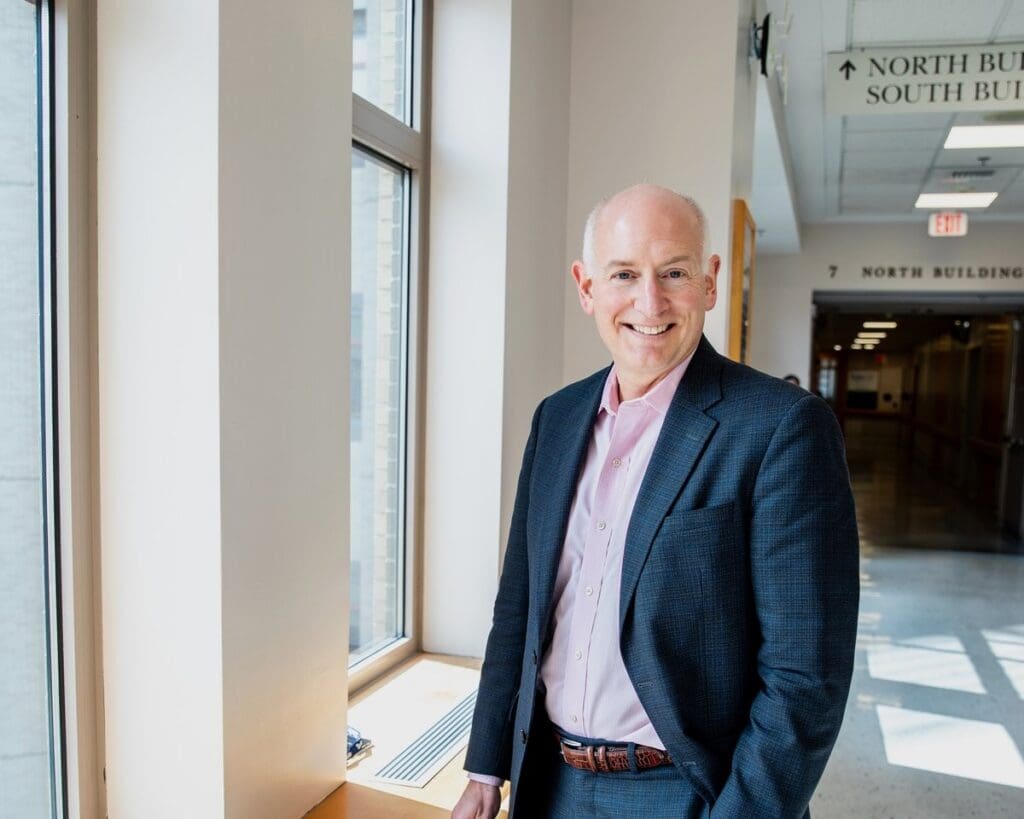
Dr. Brent Forester, MD, MSc
Psychiatrist-in-Chief and Chair, Department of Psychiatry, Tufts Medical Center
Director of Behavioral Health, Tufts Medicine
Professor and Dr. Frances S. Arkin Chair of Psychiatry, Tufts University School of Medicine
Dr. Brent Forester is a geriatric psychiatrist, researcher, and educator. His clinical work and research focus on Alzheimer’s disease, related neurocognitive disorders, and the behavioral symptoms of dementia.
Podcast: Understanding Symptoms of Dementia
In a wide-ranging conversation, Dr. Forester discusses dementia symptoms beyond memory loss, including depression, anxiety, agitation, paranoia, hallucinations, and personality changes.
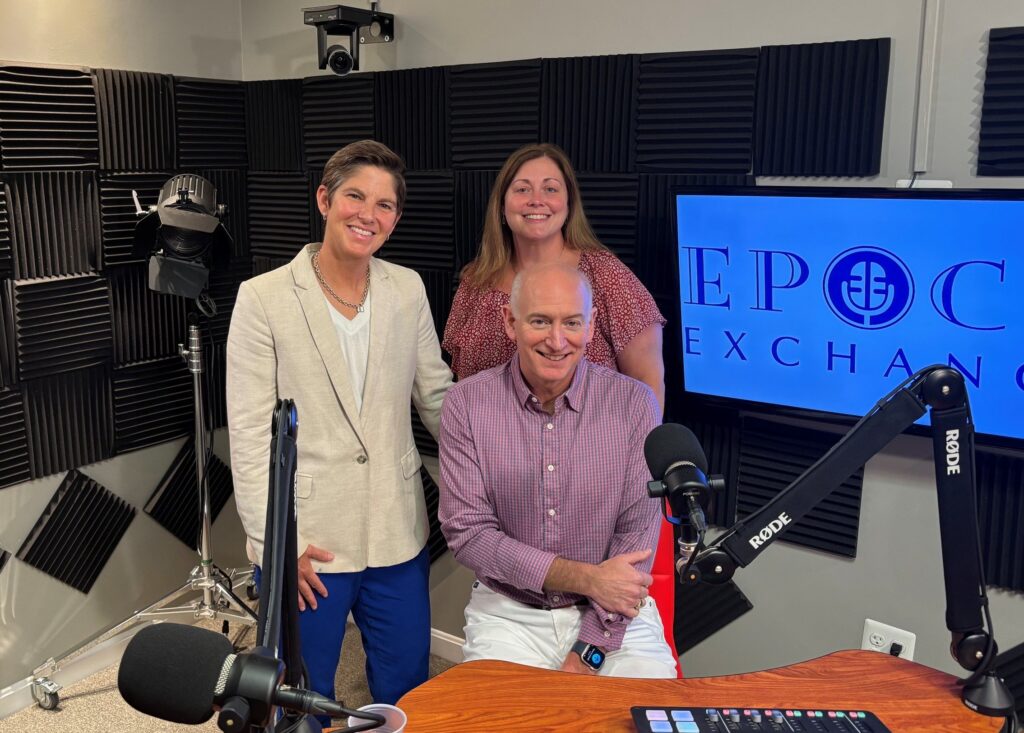
Dr. Brent Forester and EPOCH Senior Living
Dr. Forester is a collaborator and contributor with EPOCH Senior Living, having teamed up to share information and resources for families and caregivers navigating dementia.
The Dementia Care Pathway article series is part of that collaboration.
Drawing on his experience as a physician, researcher, and educator, Dr. Forester offers his perspective on questions families encounter throughout dementia care. His contributions combine clinical knowledge with practical guidance that families can use as circumstances change.
The goal is to help families better understand what is happening, know what options and support may be available, and make informed decisions around the needs of the person they care about.
Continue Exploring Dementia Resources
The Dementia Care Pathway is part of the EPOCH Exchange Resource Center, where families and caregivers can find additional information about dementia, brain health, caregiving, memory care, behaviors, and safety.