By Dr. Brent Forester, MD, MSc
Psychiatrist-in-Chief and Chair, Department of Psychiatry, Tufts Medical Center
Director of Behavioral Health, Tufts Medicine
Professor and Dr. Frances S. Arkin Chair of Psychiatry, Tufts University School of Medicine
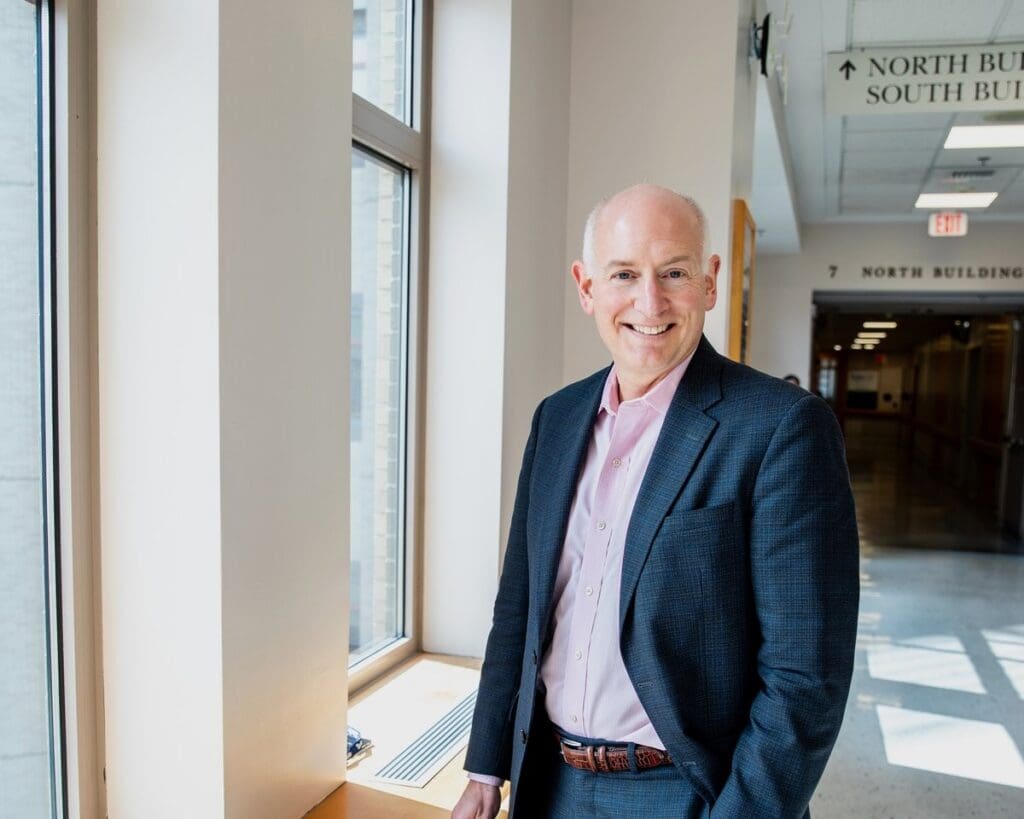
Dr. Brent Forester is a collaborator and contributor with EPOCH Senior Living. He is the author of this article.
This article is part of the Dementia Care Pathway, a series exploring what good dementia care can look like over time, from diagnosis and treatment to caregiver support, planning, and living well.
One of the most common questions I hear after someone receives a diagnosis of dementia is remarkably simple:
“What do we do now?”
For many families, that question comes after a medical appointment where they receive life-changing news but little sense of what to expect next.
Too often, families are asked to coordinate a system they barely understand.
After three decades caring for people living with dementia and their families, I have come to believe that a diagnosis should never be the end of the conversation. Instead, it should mark the beginning of a Dementia Care Pathway—a coordinated, person-centered approach that supports the individual living with dementia and their family throughout the entire journey.
How Does Dementia Affect the Whole Family?
The effects of dementia quickly reach beyond the individual. It changes relationships, daily routines, future plans, and the emotional well-being of everyone involved.
I often say that dementia affects one brain, but it changes the lives of an entire family.
Spouses become caregivers, while adult children suddenly find themselves making difficult decisions for the parents who once cared for them. Families struggle with uncertainty, changing roles, financial concerns, safety, and the emotional grief that accompanies progressive illness.
For that reason, caregiver support belongs within the care plan itself. When a caregiver is exhausted, unsure what to do, or close to crisis, the person living with dementia is affected too.
Care Should Begin Long Before a Specialist Visit
Ideally, a Dementia Care Pathway involves greater awareness and proactive measures even before dementia develops.
It starts with promoting brain health, identifying risk factors, recognizing early cognitive changes, and giving primary care clinicians practical ways to screen, evaluate, and guide families when something doesn’t seem right.
Primary care physicians are often the first professionals that families turn to. They play an essential role in recognizing early symptoms, identifying medical conditions that may contribute to cognitive changes, initiating an evaluation, and helping families understand what the next steps should be.
But we also need to recognize the realities they face.
Primary care physicians are caring for increasingly complex patients while managing limited time during office visits. Dementia has become one of the most rapidly evolving areas of medicine, with new diagnostic tools, blood-based biomarkers, disease-modifying therapies for Alzheimer’s disease, and growing evidence supporting the case for more comprehensive dementia care.
No primary care physician should be expected to do all of this alone.
Why Is a Dementia Diagnosis Only the Beginning?
Receiving a diagnosis is incredibly important. It helps explain the changes a family has been seeing and allows them to plan for the future.
But families still need to know what comes after a diagnosis: what to do when behavior changes, how to think about safety, who to call with questions, and what support is available close to home.
These are all valid, practical questions that often aren’t being answered well.
That’s why we need to reframe the diagnosis as the entryway into the Dementia Care Pathway – a better way for a family to get answers to their questions.
No Single Expert Can Provide Everything Families Need
One of the greatest misconceptions about dementia care is that it depends on finding the right specialist.
Specialists are incredibly valuable, especially when diagnosis is uncertain, behavioral symptoms become difficult to manage, or advanced treatments are being considered.
But specialists alone can’t meet the needs of the growing number of people living with dementia. Likewise, as we’ve already said, primary care can’t carry this responsibility alone.
Good dementia care depends on a team that shares responsibility and communicates.
What Does a Dementia Care Pathway Look Like?
Primary care usually remains the anchor. A neurologist, geriatric psychiatrist, or other specialist may become involved at key points. Nurses, social workers, care navigators, rehabilitation professionals, and community programs can help address the medical, practical, and emotional needs that emerge over time.
The exact team will vary from one person to another.
Most importantly – and this is so critical – everyone involved in the care communicates with each other.
From a family’s perspective, this coordination improves their experience. They don’t have to repeat the same history at every appointment. A medication change is understood by the rest of the team. When a new problem appears, the family knows whom to call.
The pathway works when care feels connected, not a series of unrelated appointments. This gives families confidence in the process, too. We shouldn’t underestimate the value of that confidence.
How Does Earlier Support Change Lives?
One of the biggest lessons I’ve learned is that families often get help only after a situation becomes urgent.
By then, behavioral symptoms may have escalated, caregivers may be emotionally and physically exhausted, and emergency department visits or hospitalizations become much more likely.
I’d like to see us intervene much earlier, when there is time to discuss things like safety, medication management, caregiver strain, and changes in behavior before an issue becomes a crisis.
Earlier support gives families more choices and more time, even if a crisis can’t always be prevented.
Research Supports Coordinated Care
My vision of a Dementia Care Pathway is not based on experience alone.
Over the past decade, innovative dementia care programs have demonstrated that coordinated, team-based models of care can improve the lives of both people living with dementia and their caregivers.
Research has shown that comprehensive dementia care programs can lead to earlier diagnosis, better management of behavioral symptoms, reduced caregiver stress and depression, greater confidence among families, fewer unnecessary emergency department visits and hospitalizations, and improved quality of life.
These findings reinforce what many of us have observed in practice for years: dementia care works best when families are supported by an integrated team rather than left to navigate the healthcare system alone.
A Vision for the Future
For decades, healthcare has largely focused on diagnosing dementia and treating problems as they arise.
I believe the future looks very different.
The future is a Dementia Care Pathway model that begins with promoting brain health and early recognition, connects primary care with specialty expertise, supports caregivers as equal partners in care, and adapts to changing needs throughout the course of the illness.
Dementia doesn’t unfold in the same way for every person, so the pathway must be flexible enough to respond to the individual and the family.
For families, the real measure of a coordinated system is simple: Do we know what comes next? Do we know whom to call? Does someone understand the whole picture?
No family should have to become the case manager for a complicated healthcare system while also learning how to care for someone they love.
We already know enough to build better systems of care. The challenge now is making coordinated, compassionate, evidence-based dementia care available to every person living with dementia and every family walking beside them.
Continue Exploring Dementia Care
The Dementia Care Pathway looks at how different parts of dementia care can work together over time. Families may want to continue with What Happens After a Dementia Diagnosis? for a closer look at what comes after diagnosis, or explore Can a Primary Care Doctor Diagnose and Treat Dementia? to understand how primary care can help coordinate that process.
You can also explore the full Dementia Care Pathway, browse additional dementia and caregiving resources, or find upcoming caregiver support groups and educational events from Bridges® by EPOCH.
Frequently Asked Questions: Dementia Care Pathway
What is a Dementia Care Pathway?
A Dementia Care Pathway is a coordinated, person-centered approach that supports a person living with dementia and their family from early recognition and diagnosis through the later stages of the illness.
Why is a dementia diagnosis only the beginning?
A diagnosis can explain the changes a family has noticed, but families still need guidance about safety, behavior, treatment, caregiver support and what to expect as needs change.
Who is involved in a Dementia Care Pathway?
The care team may include a primary care physician, neurologist, geriatric psychiatrist, nurses, social workers, care navigators, rehabilitation professionals, and community-based support programs. The exact team would vary depending on the situation and the individual’s needs.
What role does primary care play in dementia care?
Primary care physicians often identify early symptoms, rule out medical causes of cognitive changes, begin an evaluation, and help families understand the next steps. They may also coordinate with specialists and other care providers.
Why is caregiver support part of dementia care?
Dementia affects the entire family. When caregivers are exhausted, overwhelmed, or unsure how to respond, the well-being of the person living with dementia can also be affected.
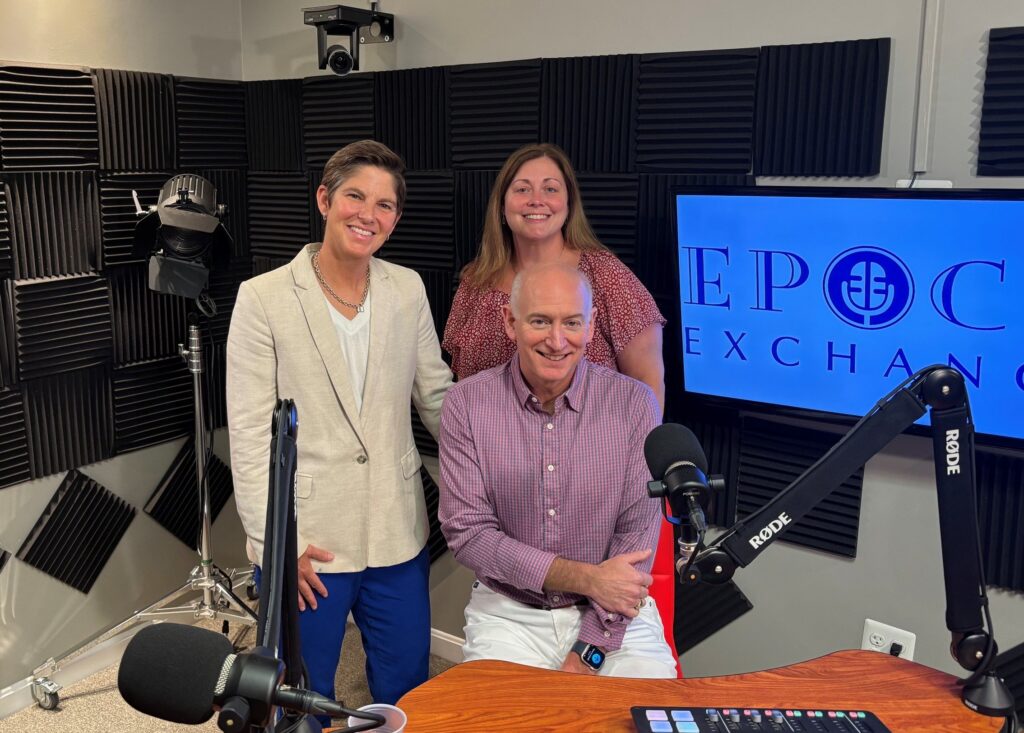
Listen to the EPOCH Exchange
Did you know we had a series of podcasts about senior living and dementia care? Recent topics include: