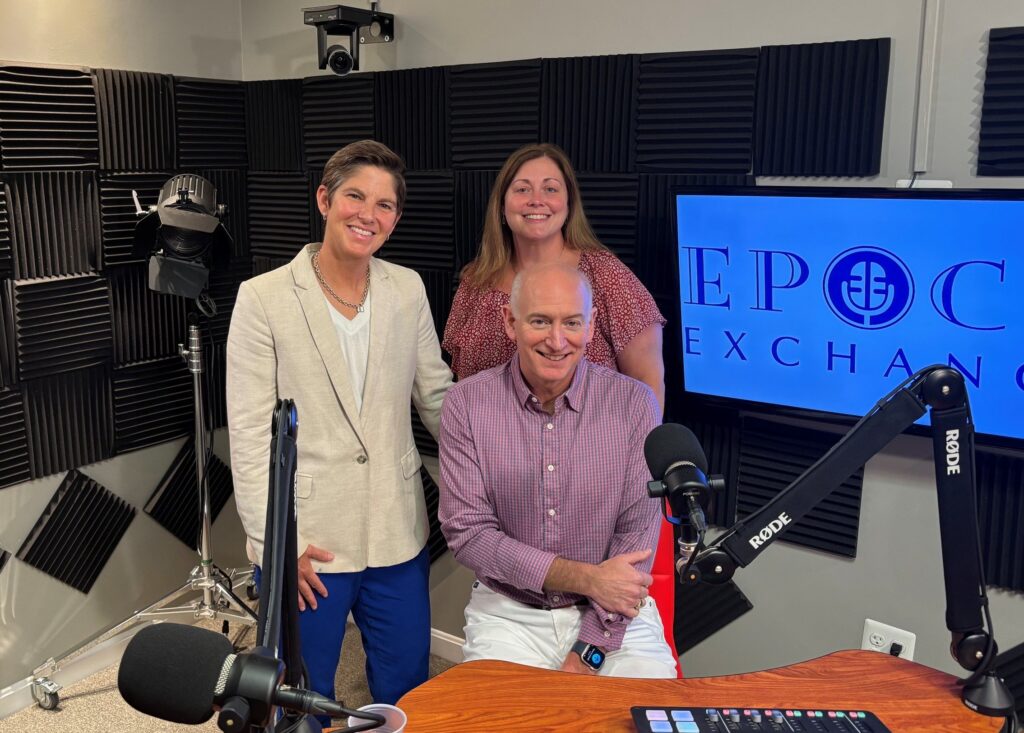
By Dr. Brent Forester, MD, MSc
Psychiatrist-in-Chief and Chair, Department of Psychiatry, Tufts Medical Center
Director of Behavioral Health, Tufts Medicine
Professor and Dr. Frances S. Arkin Chair of Psychiatry, Tufts University School of Medicine

Dr. Brent Forester is a collaborator and contributor with EPOCH Senior Living. He is the author of this article.
This article is part of the Dementia Care Pathway, a series exploring what good dementia care can look like over time, from diagnosis and treatment to caregiver support, planning, and living well.
For many families, memory loss is not the hardest part of dementia. The greatest challenges often come from unexpected changes in mood, personality, sleep, or behavior. A once-gentle spouse may become suspicious, or a loving parent may suddenly refuse help with bathing or lash out in anger. Someone who was always outgoing may become anxious or withdrawn.
These changes can be confusing, even frightening. They also leave families asking difficult questions: Is this really part of dementia? Why is this happening? What can I do?
The encouraging news is that, while we cannot yet cure most dementias, families don’t have to simply endure these symptoms. We can often do far more than people realize to reduce suffering and improve quality of life. We can identify what is contributing to these symptoms and take steps to make life more manageable.
This is where geriatric psychiatry plays an important role.
What Does a Geriatric Psychiatrist Do in Dementia Care?
A geriatric psychiatrist is a physician who specializes in the mental health needs of older adults. In dementia care, my role is to understand and treat the emotional, behavioral, and psychiatric symptoms that may occur alongside cognitive decline, while helping individuals improve quality of life throughout the dementia journey.
Sometimes that means evaluating depression or anxiety. Other times, it involves helping someone experiencing hallucinations, paranoia, agitation, sleep disturbances, or severe emotional distress. Just as importantly, it means helping families understand that what appears to be “difficult behavior” is often a person’s attempt to communicate fear, confusion, discomfort, frustration, or pain.
Dementia changes the brain, affecting judgment, impulse control, perception, communication, and emotional regulation, depending on which brain areas are affected. Once families recognize that these behaviors aren’t a deliberate choice, they often find it easier to respond with compassion.
That shift in perspective is often the beginning of better care, even if it doesn’t eliminate the challenges.
Looking for the Cause Behind the Behavior
When someone living with dementia experiences a sudden or significant change in mood or behavior, we need to look carefully at what may be causing it.
I never want families or care teams to assume, “This is just the dementia.” Sometimes it is—but often something else is contributing to the distress.
The person may be:
- in pain but unable to explain it
- experiencing an infection, constipation, dehydration, or poor sleep
- reacting to a medication side effect
- overwhelmed by noise, lighting, activity, or a change in routine
- frightened by something they don’t understand
- experiencing depression, anxiety, trauma, psychosis, or another psychiatric condition
We often become detectives, looking carefully for clues that explain why a behavior has appeared. This investigation is more important than trying to ‘fix’ the behavior itself.
We ask: What changed? When did it begin? What else is happening in this person’s life?
Much of that detective work begins by listening to the person, the family, and the people who provide daily care.
Behavior is Communication
One of the most important lessons in dementia care is this:
Behavior is communication.
As language becomes more difficult, people living with dementia often communicate through their actions. We need to see these actions as expressions of an unmet need. So, pacing may signal anxiety, while an angry refusal of care or suspicion could reflect fear.
When a spouse or adult child is on the receiving end of these behaviors, it is natural to feel hurt or to take them personally.
The question I encourage families to ask is:
“What might they be trying to communicate?”
That simple shift in perspective doesn’t make the behavior easier, but it often changes how we respond. Instead of reacting only to the behavior itself, we begin listening to the distress behind it.
Why Does the Family’s Perspective Matter in Dementia Care?
When I evaluate someone living with dementia, I’m not getting the full story unless I speak with both the care team and the family.
The care team knows the person’s daily routines, recent changes, and clinical patterns. Family members know something equally important—they know the person.
They know what brings comfort, what causes anxiety, what music they love, what gave them purpose throughout life, and what has always made them smile.
I often tell families that they are experts on the person, while clinicians are experts on the disease. The very best dementia care brings those two forms of expertise together.
I’ve also learned that if you’ve met one person with dementia, you’ve met one person with dementia.
Every person’s experience is unique. The lesson to learn is that we must individualize care.
Music may be reassuring for one person, while someone else needs a quieter room. Someone else may respond best to a walk outdoors, a familiar voice, a favorite snack, a different bathing schedule, or simply approaching them more slowly with fewer choices.
A checklist can offer ideas, but it can’t tell us what will work for the person in front of us. That comes from observation and knowledge of the person’s history. It also relies on a willingness to adjust when something stops working.
Medication Can Help, But It’s Never the Whole Answer
As a geriatric psychiatrist, I recognize there are times when medication is both appropriate and necessary.
If someone is severely depressed, frightened by hallucinations, unable to sleep, physically aggressive, or at risk of harming themselves or others, medication may become an important part of treatment.
But medication should never replace the thoughtful work of understanding what is driving the person’s distress.
Even our best medications generally provide modest benefits and can cause side effects. They work best when part of a broader plan.
Sometimes remarkably simple changes can make a significant difference. For example, we can try speaking more slowly, offering fewer choices, approaching from the front rather than behind, changing the time of day for bathing, or reducing background noise. Ensuring you treat hunger, fatigue, or pain is also key.
These non-pharmacological interventions may sound simple, but they can be transformational. Medication is especially useful when it creates enough stability for these approaches to work.
Supporting Caregivers Is Part of Treating Dementia
Dementia affects the entire family.
I’ve watched spouses and adult children struggle with the daily responsibilities of caregiving, but often the greatest burden is emotional.
A daughter may suddenly find herself parenting the mom who once cared for her. A husband may grieve as the woman he has loved for decades gradually changes before his eyes.
This is a unique form of grief, and sadness, fear, or even guilt are natural responses to an extraordinarily difficult experience.
Care partners often need to hear this more than once:
Taking care of yourself is not selfish. It is an essential part of sustaining care.
Early in my medical training, I imagined becoming a primary care physician because I was drawn to the idea of caring for families over a lifetime. Looking back, I realize that my work as a geriatric psychiatrist has allowed me to do something remarkably similar.
I am never treating one person in isolation. Everyone suddenly finds themselves on the front lines of caregiving, facing new emotional and practical challenges every day. Supporting those caregivers is an essential part of the treatment plan. That’s because the caregiver’s well-being affects what is possible for the person with dementia.
As such, support groups, education, counseling, respite services, and community resources are fundamental components of high-quality dementia care.
I’ve also found that some of the most valuable advice families receive comes from other caregivers. Connecting with someone who has walked a similar path can help families feel less isolated and more prepared for the journey ahead.

Take a look at upcoming Bridges by EPOCH caregiver support groups
When Should Families Seek Help?
Families should seek medical advice whenever they notice new or worsening changes in mood, behavior, sleep, communication, safety, or daily functioning.
It’s especially important to see a medical professional when symptoms develop suddenly. A rapid increase in confusion, agitation, fearfulness, withdrawal, or unusual behavior may point to an underlying medical condition rather than a change in the dementia itself. Such changes deserve immediate attention.
Please don’t wait until a crisis develops.
The earlier we understand what is happening, the more opportunity we have to identify treatable causes, adjust the care plan, educate families, and reduce unnecessary distress.
Looking Toward the Future with Hope
We are learning more about dementia more quickly than at any point in my career.
Advances in blood-based biomarkers, improved diagnostic tools, disease-modifying therapies for some forms of dementia, and ongoing research into behavioral symptoms are creating more reasons for hope than ever before.
Although we still have much work ahead, we are entering a new era in dementia care, in which new technologies and a greater awareness of how to treat behavioral symptoms can result in better outcomes for families.
A More Compassionate Way to Understand Dementia
Dementia is a progressive illness, but people living with dementia continue to experience pleasure, purpose, and moments of genuine connection with those close to them.
Even as memory changes, the person remains the same individual who has lived a lifetime of experiences and accomplishments.
Preserving dignity, honoring personal preferences, and helping individuals remain connected to the people and activities that matter most should remain central goals of care throughout every stage of the illness.
My hope is that families leave our conversations less frightened and better able to interpret what they are seeing.
When we understand the meaning behind behaviors, partner closely with caregivers, personalize treatment, and approach each person with patience and compassion, we help people living with dementia experience the very best quality of life possible throughout their journey.
Continue Exploring Dementia Care
A geriatric psychiatrist may be one member of a much broader dementia care team. Can a Primary Care Doctor Diagnose and Treat Dementia? looks at the role primary care can play in evaluation and ongoing management, while What Happens After a Dementia Diagnosis? explores how treatment, planning, and support can come together after diagnosis.
The Dementia Care Pathway brings these perspectives together. Bridges® by EPOCH also offers further resources for families and caregivers and regular caregiver support groups and educational events..
Listen to the EPOCH Exchange
Did you know we had a series of podcasts about senior living and dementia care? Recent topics include: