

By Dr. Brent Forester, M.D., M.Sc., Chair of Psychiatry and Director of Behavioral Health at Tufts Medicine.
It can be alarming when a loved one with dementia seems suddenly more confused, agitated, or withdrawn than they were the day before. Many families ask: Can dementia symptoms worsen overnight?
In most cases, dementia itself does not suddenly progress overnight. However, a rapid change in memory, behavior, or alertness can happen when another medical issue is affecting someone whose brain is already vulnerable.
Infections, medication side effects, dehydration, poor sleep, hospitalization, or other health complications can all cause a sudden decline that may look like dementia getting much worse all at once.
Understanding the difference between the normal progression of dementia and a sudden medical or psychiatric change is important. A rapid shift in symptoms often needs prompt evaluation.
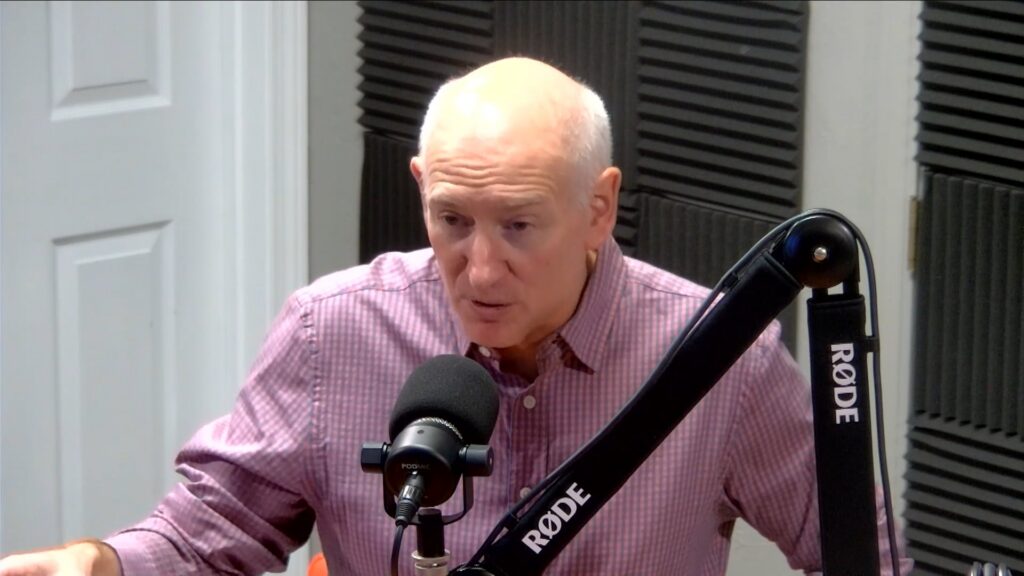
Dr. Brent Forester M.D., M.Sc.
Dr. Brent P. Forester is Professor of Psychiatry at Tufts University School of Medicine. Dr. Forester has devoted his career to advancing the care of older adults with mood disorders, Alzheimer’s disease, and related dementias.
Dr. Forester has teamed up with Bridges by EPOCH to deliver several educational talks to support caregivers.
Can Dementia Get Worse Overnight?
As a general rule, dementia does not worsen overnight. Dementia is usually a gradual, progressive condition. Changes in memory, judgment, language, and daily functioning tend to happen over time.
That said, a person with dementia can appear to decline very suddenly. When that happens, it is often a sign that something else is going on, such as an illness, medication reaction, or some kind of environmental stressor.
This is why a loved one may seem to “fall off a cliff” in terms of confusion or behavior, even though the dementia itself is not rapidly advancing in a single day.
What Can Cause a Sudden Worsening of Dementia Symptoms?
A sudden worsening of dementia symptoms often points to an underlying medical problem or medication-related issue rather than an overnight progression of the disease itself.
Common causes may include:
- infections such as pneumonia or a urinary tract infection
- dehydration
- poorly controlled diabetes or other metabolic problems
- pain or discomfort the person cannot communicate clearly
- side effects from new or changed medications
- sedating medications
- hospitalization or a move to an unfamiliar environment
- poor sleep or major disruption in routine
Often, when families feel like a loved one has suddenly “taken a sharp turn,” what they may actually be seeing is delirium.
Delirium is a rapid change in attention, awareness, and thinking that can be triggered by those causes listed above: an infection, dehydration, medication side effects, hospitalization, etc.
It is very common in older adults, especially those living with dementia who have been hospitalized. This is one of the most important reasons a sudden decline shouldn’t be assumed to be the dementia itself suddenly progressing.
A Common Scenario Families Experience
Imagine the following situation:
Your mother has Alzheimer’s disease. She is forgetful and often becomes more restless and confused in the late afternoon. One evening, however, she seems much more upset than usual. She paces, asks repetitive questions, and seems unable to settle down. You begin to wonder: Has her dementia suddenly gotten worse?
You take her to the emergency room, where she is diagnosed with pneumonia and admitted to the hospital. The hospital visit was necessary, because an infection like pneumonia can be serious and needs prompt treatment.
During her stay, however, she becomes more confused. She sees things that are not there and becomes increasingly agitated in the unfamiliar environment.
To manage her behavior, medications are given to calm her down.
A few days later, she is much sleepier, weaker on her feet, and no longer seems to recognize close family members. It feels as though her dementia worsened dramatically in just a short time.
This kind of situation is frightening, but it is also common. In many cases, the rapid change is caused by a combination of illness, disruption, and medication effects in someone already living with dementia.
In other words, what feels like a sudden and heartbreaking decline may not be the dementia itself rapidly worsening, but rather the effect of illness, stress, and medication changes on someone whose brain is already vulnerable.
Why Illness and Hospitalization Can Make Symptoms Seem Worse
When a person with dementia becomes sick enough to need emergency or hospital care, treatment may be essential. At the same time, the illness itself, the disruption in routine, poor sleep, and certain medications can all temporarily worsen confusion.
That does not mean hospital care should be avoided when it is needed. It means that sudden changes should be taken seriously, and that people living with dementia often do best when medical teams and families work together to reduce unnecessary stress, review medications carefully, and support orientation and comfort whenever possible.
When to Seek Medical Attention
A sudden change in thinking or behavior should not be ignored. Prompt medical evaluation may be especially important if your loved one has:
- fever or signs of infection
- trouble breathing
- sudden severe confusion
- hallucinations
- extreme sleepiness
- difficulty walking or standing
- major agitation or fearfulness
- a rapid decline in alertness or functioning
In these situations, the goal is not simply to ask whether dementia is getting worse. It is to find out whether there is a treatable medical problem causing the change.
The Importance of Specialist Guidance
A geriatrician, geriatric psychiatrist, or other clinician experienced in dementia care can help sort out whether a sudden decline reflects illness, delirium, medication effects, or progression of the disease.
The right approach may include treating the underlying medical problem, adjusting medications, and creating a calmer, more familiar environment during recovery.
Key Takeaway
If your loved one seems worse overnight, dementia itself may not be the immediate cause. A sudden change in memory, behavior, or alertness often points to an illness, delirium, medication effect, or other medical issue that needs attention.
When symptoms change quickly, a careful medical evaluation can help identify the cause and guide the right treatment.
Continue Learning with Bridges® by EPOCH
Sudden changes in a loved one with dementia can be distressing, but understanding the underlying causes can make all the difference. At Bridges® by EPOCH, we are committed to providing families with the education, support, and expert guidance they need on this journey.
- Learn more about the stages of dementia and what to expect as the disease progresses.
- Understand how dementia changes brain chemistry.
- Appreciate the benefits of early detection of the disease
- Get a general overview of memory care and what it entails.
We invite you to explore more educational articles in our EPOCH Exchange resources hub and to check out our Education Events page for upcoming expert-led sessions and resources.
Have questions? We’re here to help. Please don’t hesitate to contact us for more information or support.
Listen to the EPOCH Exchange
Did you know we had a series of podcasts about senior living and dementia care? Recent topics include: