
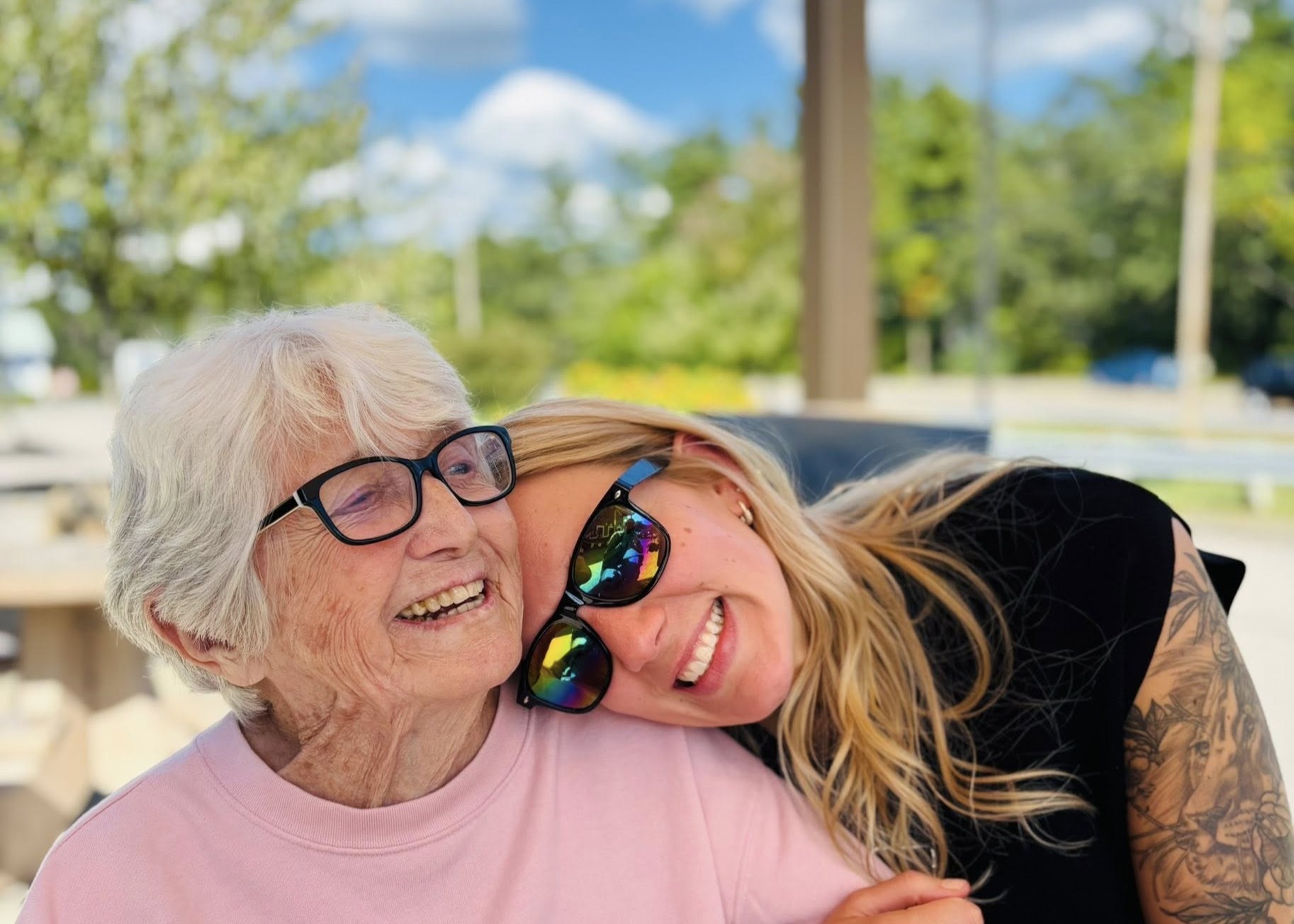
Summer can be a wonderful season for someone living with dementia. Fresh air, warm sunlight, birdsong, and flowers can all work wonders for our residents.
Trish Keaney, Executive Director of Bridges by EPOCH at Trumbull, sees this often.
“When you step outside, and you feel that sunlight on your face. We know sunlight has great benefits for our folks,” Trish says. “It just does wonders. It does wonders for all of us, not just those with dementia.”
That is the balance loved ones are often trying to find. Summer offers real opportunities for fun, but it can also bring risks, especially heat, dehydration, overstimulation, and wandering.
For caregivers, the goal can’t be to avoid the season entirely, to allow these perceived dangers to undercut the potential benefits of summer. Instead, we need to plan thoughtfully so a loved one can enjoy summer safely.
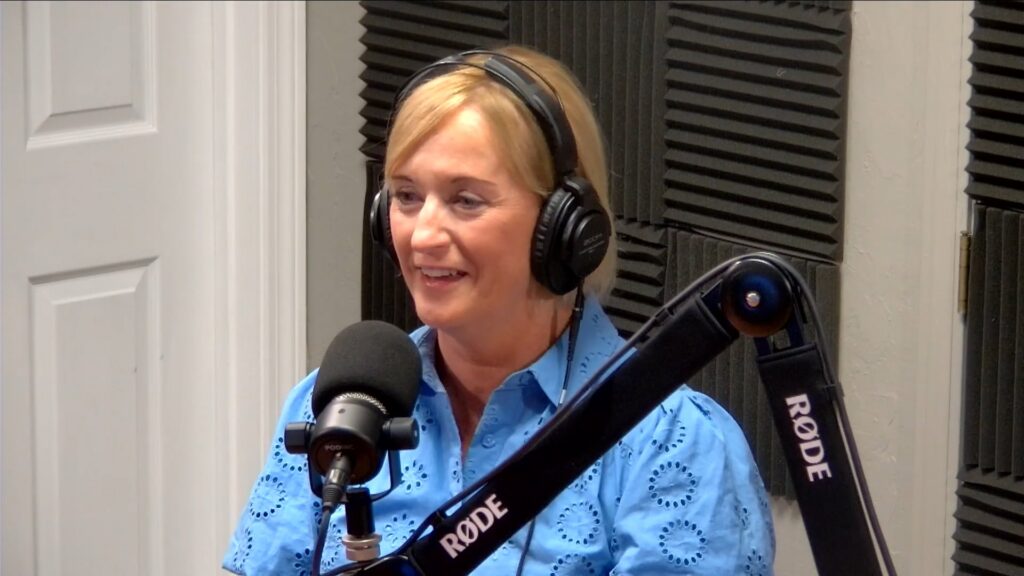
Trish Keaney
Executive Director
Trish Keaney understands the powerful benefits of getting residents outside during the summer.
What Are the Benefits of Summer for Somebody Living with Dementia?
Getting outside can have a powerful impact on your mood and mindset, changing the whole tone of the day.
Sunlight, fresh air, birds, flowers, and a light breeze have a calming effect on many people, but this is especially valuable for somebody with dementia. Finding simple ways to reduce restlessness, even a short summer stroll, can make a huge difference in the tone of the day.
It may also be activating at the same time. Those sensory experiences may stir memories of summer past, even from their childhood. It’s extremely common for a person living with dementia to make the connection between a typical summer moment – say, eating an ice cream – and equivalent moments in times past. This can be a form of reminiscence therapy for somebody with dementia.
Trish describes the benefit succinctly:
“I think it’s a big stress reliever,” she says. “It’s a stress reliever for all of us.”
Just getting out of the house and experiencing the community releases pressure for both caregiver and loved one. Trish reminds us not to underestimate that.
Why Is it Important to Plan Your Summer Outings?
The Alzheimer’s and Dementia Resource Center encourages caregivers to plan ahead during extreme heat because of the extra safety concerns for those with dementia. Its guidance includes arranging cooler spaces, dressing in light clothing, using hats and sunscreen, and checking in often during periods of high heat.
To get all this right, a successful summer outing often starts before anyone leaves the house.
Trish gives a simple example. A beach trip from Bridges® by EPOCH at Trumbull may only last an hour, but the planning starts much earlier.
“We’ll be planning those beach trips for two days,” she says.
The key is to think ahead and work out what could make the outing easier, safer, and more comfortable.
Before going to a park, beach, concert, farmers market, or ice cream stand, consider:
- Is there shade?
- Are there places to sit?
- Is there a restroom nearby?
- Will it be crowded at that time of day?
- Is the path easy to walk?
- Is the parking manageable?
- Will there be a long line?
- Do you have water, snacks, sunscreen, and any needed supplies?
Trish recommends visiting or researching the location first when possible.
“Go at the time of day you’re going to go with your folks and see what it’s like,” she says. “Is it crowded? Scope out your place so you make sure it’s a successful day.”
This may seem cumbersome, but it’s worth it to ensure a safe, stress-free trip.
Even something as simple as getting ice cream can benefit from planning. A favorite ice cream stand may be crowded on a summer evening. For someone living with dementia, a long line, heat, noise, and waiting may turn a pleasant idea into a stressful experience for everybody.
The point of your preparation is to account for those variables and create smoother, enjoyable summer experiences.
Remember: You Can Start Small
Not every summer activity needs to be a full outing or a mini-vacation. In fact, smaller plans are often best, with fewer variables that can prove disruptive.
A short drive for ice cream or a walk around the garden. Sitting outside with lemonade. Listening to birds or watching children and dogs at a local park. These moments can be enough to offer the pressure release we speak of.
Trish suggests the person may not even need to get out of the car to enjoy the experience. The sights, sounds, smells, and routine of a familiar summer activity can still bring pleasure.
This is especially helpful for newer caregivers who are still learning what feels manageable.
Start with something simple and notice how your loved one responds. Then, you can build from there, learning what may work, but knowing you will also need to adapt over time.
Why Is Hydration Critical?
Hydration is one of the most important summer safety concerns for people living with dementia.
Older adults are more prone to heat-related health problems, many of which come from a lack of hydration. For someone living with dementia, hydration can be harder to manage because they may not recognize thirst, remember to drink, or be able to explain how they feel.
Trish puts it plainly.
“Some of our folks that we care for, they’re not going to ask,” she says. “They’re not going to tell us, ‘Hey, I’m thirsty.’ We have to anticipate all of that for them.”
That means caregivers may need to offer drinks regularly rather than waiting for a request.
But, of course, it’s not that easy. Those living with dementia don’t want to be infantilized, so we need to be careful in how we approach those potentially patronizing questions.
“We always say in our communities, try not to ask a question with a yes/no answer because it’s usually no,” Trish says. “Instead, go with: ‘here’s your water.’ This circumvents the immediate option of saying no.”
Instead of making hydration feel like a command, try to make it something everyone is doing together.
“Hey, we’re all going to take a drink. It’s really hot out here. ”Or, often, a ‘cheers’ or a celebratory toast can be a great excuse to get everyone to drink.
These approaches respect the person’s dignity while still meeting the need.
Watch for Signs of Dehydration
Dehydration can show up quickly, and it may not always look like thirst.
“Increased confusion can happen real quick if they’re not hydrated,” Trish says.
Caregivers should watch for changes such as:
- More confusion than usual
- Fatigue
- Dizziness or weakness
- Dry mouth
- Headache
- Less frequent bathroom use
- Dark yellow urine
- Unusual irritability or restlessness
Dark urine can be a helpful warning sign. If urine is very dark yellow, dehydration may already be developing.
If you’re concerned about dehydration, heat exhaustion, or heat stroke, contact a healthcare professional. Heat-related illness can become serious quickly.
Other Techniques: Make Hydration More Appealing
Not everyone likes plain water. Trish recommends learning what the person enjoys.
“It’s important to find out what they like to drink,” she says. “They’re more apt to have more of it.”
Some people may prefer flavored water, lemonade, diluted juice, decaffeinated iced tea, electrolyte drinks, or water with fruit added. The important thing is to avoid relying on caffeinated drinks as the main source of hydration, especially in the heat.
You can also “eat your hydration.” Watermelon, Jell-O, popsicles, fruit, and other high-water foods can help make hydration feel more like a treat than a task.
Why Is Wandering an Extra Risk in Summer?
Warm weather can increase the desire to go outside. For someone living with dementia, that can sometimes lead to unsafe wandering or exit-seeking.
Trish’s first suggestion is simple when it is safe and possible.
“People see a nice day and normally want to go out,” she says. “Go with them. Go for a safe walk with them.”
Trish’s point is to enable that urge at a time when it suits you. Getting that walk in can reduce the underlying restlessness and expend energy, reducing the risk of wandering at other unsafe times. Don’t forget, you get the benefit of the stroll, too.
A person may not need a long walk. They may just need movement, fresh air, a change of scenery, or the feeling of being outside.
Trish also recommends having a simple “go bag” ready by the door during summer. It might include:
- Water
- A hat
- Sunscreen
- Sunglasses
- A light jacket or umbrella
- Identification
- A phone
- A snack
Summer weather can change quickly. Having supplies ready can make it easier to respond calmly when someone wants to go out at a less-than-perfect time.
The other side of the coin is ensuring this go bag isn’t immediately visible. We know that seeing things like car keys, jackets, and shoes can be visual cues for a person to want to leave. So, if that is an issue, we want to disrupt that visual reminder somewhat.
What Types of Summer Activities Work?
Summer activities don’t have to be particularly elaborate. They can range from attending a local concert to a walk in the garden to check on a tomato plant. As a caregiver, you can build connections around these simple experiences, and you can even add them to your routine.
At Bridges, we often see that music can have a tremendous impact.
Trish notes that many towns in Connecticut have summer concerts on the town green, and residents enjoy being part of that community atmosphere.
“We plan ahead for parking, seating, shade, and a quick exit if needed. You don’t have to stay for the whole show,” Trish says.
That is a helpful reminder for loved ones. A successful outing doesn’t need to look like it once did. In fact, we need to acknowledge that it probably won’t look like it used to. But still, you can attend part of an event, sit near the edge, leave early, or adjust the plan as needed.
Don’t be afraid to contact venues ahead of time; you might be surprised how accommodating they can be.
Gardening is another favorite summer activity at Bridges.
“There’s something very therapeutic about that,” Trish says. “So many of our residents had gardens, flower gardens, and vegetable gardens in their lives.”
Residents take pride in growing vegetables and seeing them used in the kitchen. Any form of gardening also typically involves beneficial, gentle exercise.
In these simple ways, gardening becomes more than the act of watering flowers or planting seeds.
Browse our selection of recommended activities.
Don’t Forget the Fun
Summer activities don’t have to be particularly elaborate. They can range from attending a local concert to a walk in the garden to check on a tomato plant. As a caregiver, you can build connections around these simple experiences, and you can even add them to your routine.
At Bridges, we often see that music can have a tremendous impact.
Trish notes that many towns in Connecticut have summer concerts on the town green, and residents enjoy being part of that community atmosphere.
“We plan ahead for parking, seating, shade, and a quick exit if needed. You don’t have to stay for the whole show,” Trish says.
That is a helpful reminder for loved ones. A successful outing doesn’t need to look like it once did. In fact, we need to acknowledge that it probably won’t look like it used to. But still, you can attend part of an event, sit near the edge, leave early, or adjust the plan as needed.
Don’t be afraid to contact venues ahead of time; you might be surprised how accommodating they can be.
Gardening is another favorite summer activity at Bridges.
“There’s something very therapeutic about that,” Trish says. “So many of our residents had gardens, flower gardens, and vegetable gardens in their lives.”
Residents take pride in growing vegetables and seeing them used in the kitchen. Any form of gardening also typically involves beneficial, gentle exercise.
In these simple ways, gardening becomes more than the act of watering flowers or planting seeds.
When in Doubt, Take Them Outside
Trish shares a revealing story from her early days at Bridges by EPOCH at Trumbull.
She was eating lunch outside and brought a resident with her. The resident wasn’t able to verbalize much, but when birds flew by, her face changed. Her family arrived and became emotional because she had always been a birdwatcher, and they saw her disposition transformed. They had not realized how much she missed being outside.
The lesson stayed with Trish.
“Take folks out,” she says. “We all love to be outside.”
This is the most important safety tip: don’t let caution turn into avoidance. Plan carefully. Watch the heat. Bring water. Choose the right time of day. Keep outings simple when needed.
But the key element? Still go.
Listen to Our Podcast on Summer Safety
Trish Keaney was a recent guest on the EPOCH Exchange, our podcast covering senior living and dementia care. Trish spoke about how dementia caregivers can make the most of summer while offsetting any risks associated with the warmer weather. Listen/watch below:
How Bridges by EPOCH Supports Safe Summer Engagement
At Bridges by EPOCH, summer programming is planned with both safety and joy in mind. Teams think carefully about hydration, shade, timing, transportation, seating, restrooms, and each resident’s comfort level.
They also look for the moments that make summer feel familiar, from gardening and outdoor music to walks, birdwatching, and favorite warm-weather treats.
For loved ones caring for someone living with dementia, that kind of support can make a real difference. It allows loved ones to continue enjoying the season in ways that feel safe and dignified.
To learn more about memory care at Bridges by EPOCH, explore our communities or contact our team.
Frequently Asked Questions: Summer Safety in Dementia Care
Why is summer safety important for someone living with dementia?
Summer safety is important because heat, dehydration, overstimulation, and changes in routine can affect someone living with dementia more quickly. A person may not recognize thirst, explain discomfort, or respond safely to heat, so caregivers often need to plan ahead.
How can caregivers help prevent dehydration in someone with dementia?
Caregivers can help prevent dehydration by offering drinks regularly instead of waiting for the person to ask. It can also help to offer preferred drinks, serve hydrating foods like watermelon or popsicles, and make drinking feel like a shared routine rather than a task.
What are the signs of dehydration in someone living with dementia?
Signs of dehydration may include increased confusion, fatigue, dizziness, weakness, dry mouth, headache, dark yellow urine, fewer bathroom trips, irritability, or unusual restlessness. If symptoms are concerning or worsen quickly, contact a healthcare professional.
How can caregivers reduce wandering risk during warm weather?
Caregivers can reduce wandering risk by planning safe outdoor time, keeping doors secure, watching for restlessness, preparing a small go bag, and making sure the person has identification. If someone wants to go outside, a supervised walk may help meet that need safely.
What should caregivers bring on a summer outing with someone who has dementia?
Helpful items include water, snacks, sunscreen, a hat, sunglasses, identification, medications if needed, a phone, a light jacket, and any comfort items that help the person feel calm. It is also wise to know where bathrooms, shade, seating, and exits are before you go.
Listen to the EPOCH Exchange
Did you know we had a series of podcasts about senior living and dementia care? Recent topics include: