By Dr. Brent Forester, MD, MSc
Psychiatrist-in-Chief and Chair, Department of Psychiatry, Tufts Medical Center
Director of Behavioral Health, Tufts Medicine
Professor and Dr. Frances S. Arkin Chair of Psychiatry, Tufts University School of Medicine
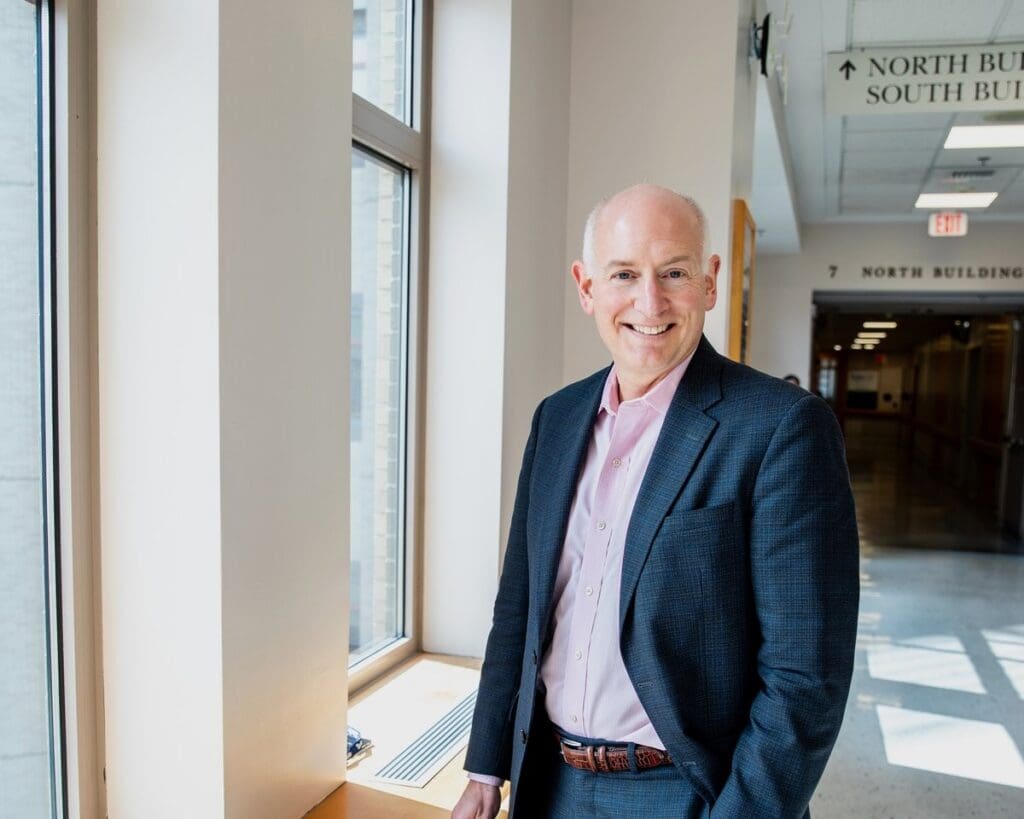
Dr. Brent Forester is a collaborator and contributor with EPOCH Senior Living. He is the author of this article.
This article is part of the Dementia Care Pathway, a series exploring what good dementia care can look like over time, from diagnosis and treatment to caregiver support, planning, and living well.
The conversation about dementia often begins when someone develops memory problems or receives a diagnosis. People are aware of dementia, of course, but often as something that might happen in the distant future. I believe dementia care needs to begin much earlier than that.
A true Dementia Care Pathway should start before dementia develops. As dementia care advocates, we envision dementia education as ingrained in our culture, something we are all intuitively aware of.
This pathway would begin by understanding brain health. We need a familiarity with the factors that can affect our cognitive health over time, but knowledge is only half the battle. We then need to take steps throughout our lives – through simple routines and choices – to protect our brains.
This leads me to one of the most hopeful messages we can share as clinicians about dementia.
There are risk factors we can’t control; we can’t change our age or our genetics. As doctors, we also still can’t sell a magic elixir or guarantee that following a certain diet, taking a particular supplement, or adopting one healthy habit will prevent dementia.
But some elements of risk ARE in our control. This gives us agency.
What Are Modifiable Risk Factors?
The 2024 Lancet Commission on dementia identified 14 modifiable risk factors across our lifespan. The report estimated that approximately 45% of all dementia cases worldwide could be prevented or delayed through addressing these 14 risk factors. That doesn’t mean that an individual can eliminate 45% of their own risk, or that dementia can be prevented if you live an ultra-healthy life that ticks off these factors.
Yet, it does tell us there are opportunities throughout life to support our brain health and potentially reduce our risk of developing dementia.
We can collectively call these opportunities proactive brain health.
What Do We Mean by Proactive Brain Health?
For many years, our healthcare system has been very good at responding to disease after it develops. We identify a problem and then determine how to treat it.
But increasingly, we are recognizing the importance of thinking earlier, of being proactive rather than reactive.
We see this in relation to heart disease. We all know that high blood pressure and cholesterol are things to avoid. We don’t need a heart attack to wake us up to the idea that cigarettes, alcohol use, and a fatty diet are less than ideal for our heart health. These ideas are common knowledge.
We understand that the choices we make and the medical conditions we manage throughout our lives can influence cardiovascular health years or even decades later.
We need to develop the same mindset around our brains.
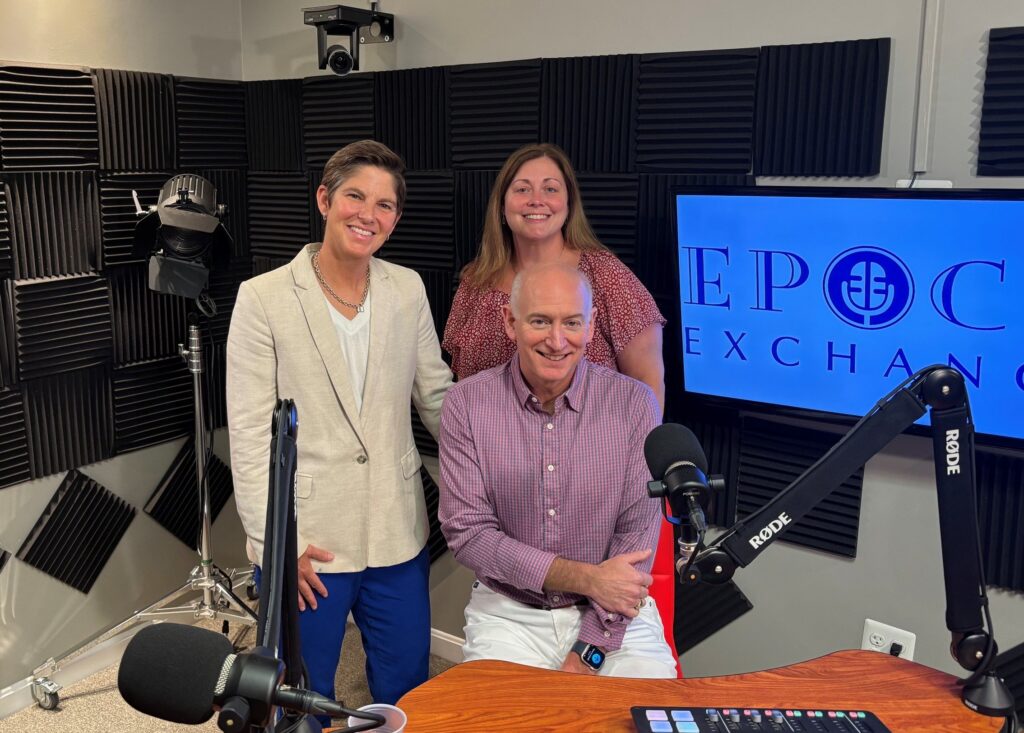
In a recent EPOCH Exchange conversation about dementia, I talked about things I was doing 10, 15, or 20 years ago, including running regularly and continuously learning, that were probably helping my brain without me necessarily thinking about them in those terms at the time.
Exercise, nutrition, social engagement, cognitive stimulation, and sleep all contribute to our overall health, but specifically to how well our brains age.
Proactive brain health means recognizing that protecting the brain is something we can think about throughout life, not something that suddenly becomes relevant when we turn 70 or begin to notice worrying signs of memory loss.
What’s Good for Your Heart Is Good for Your Brain
One of the simplest ways I explain brain health is this:
All the things that work for your heart also work for your brain.
The brain depends on an extraordinary network of blood vessels to continuously deliver oxygen and nutrients. Conditions that affect our cardiovascular health, including high blood pressure, high cholesterol, diabetes, obesity, smoking, and physical inactivity, also affect our brain health and dementia risk.
So, many of the steps we already know are good for our hearts matter for our brains, too. Know your blood pressure. Talk to your physician about cholesterol and diabetes. Don’t smoke or drink too much alcohol. Stay physically active.
None of these steps guarantees that you won’t develop dementia. But they are good for your health today, and they may also help protect the brain you will rely on years from now.
Which Everyday Habits Can Support Brain Health?
There isn’t one activity, food, or exercise that protects the brain on its own. I prefer to think about a virtuous cycle, where several healthy habits work together.
Some of the basics include:
Keep moving
You don’t need to become an elite runner or even join a gym. Walking, swimming, gardening, household activities, and other forms of regular movement all count. Physical activity supports cardiovascular health, mobility, and mood.
Eat well
Mediterranean-style and MIND diets have received particular attention because they emphasize vegetables, whole grains, beans, nuts, fish, and other nutrient-rich foods. No single diet can prevent Alzheimer’s disease, but healthy eating supports cardiovascular and metabolic health, which are closely connected to brain health.
Prioritize sleep
We sometimes take sleep for granted because it feels like a passive act. Yet good-quality sleep supports physical and cognitive health. Persistent sleep problems are worth discussing with a healthcare provider.
When I talk about a virtuous cycle, I mean you actually see a compounding effect with these healthy habits. Eating well can help us sleep and stay active, while a good night’s sleep gives us more energy to exercise and make healthier choices the next day, etc.
Think of those habits as some of the basic maintenance our bodies and brains need. But we should also put our brains to work.
Stay curious. Read, learn something new, get creative, play music, spend time with friends and family, or strike up a conversation with someone new. Don’t underestimate these activities; they are all essentially mini-workouts for our brains.
The enjoyment element is critical. I would much rather tell someone to find a stimulating activity they genuinely look forward to than prescribe a “brain exercise” they will abandon after two weeks.
Even better, find ways to challenge your brain while connecting with other people. Social connection supports emotional well-being and healthy aging, while social isolation itself has been identified as one of the 14 potentially modifiable risk factors for dementia.
What Other Dementia Risk Factors Can We Address?
Some important opportunities for brain health are things people may not immediately associate with dementia.
Hearing is a good example. If someone develops hearing loss, following conversations and staying socially engaged can become more difficult. It can even be a source of shame, and I’ve seen many people withdraw from social engagements rather than address hearing issues. Hearing loss is now recognized as one of the potentially modifiable factors associated with dementia risk.
For similar reasons, vision matters, too. Untreated vision loss was one of two additional risk factors added by the 2024 Lancet Commission, along with high LDL cholesterol.
The research also points to factors including depression, traumatic brain injury, excessive alcohol consumption, social isolation, and exposure to air pollution.
I don’t mention these factors to make people look at a long list and worry about everything they have done wrong. The aim isn’t to strike fear or give you a test score that measures your dementia risk.
I mention the modifiable factors because they are modifiable. They give us agency and more places to act.
Here is a list of things you could do/start doing tomorrow:
- Have your hearing and vision checked, and address any problems that arise
- If you are worried about mental health, seek treatment for depression or anxiety
- Ask your doctor about blood pressure, cholesterol, and diabetes risk. Work with them to manage these over time
- Pay attention to sleep, and speak to a healthcare professional if you have persistent sleep problems
- Come up with a reason each day to get outside and go for a walk (if you can)
- Make plans to regularly see or speak with other people
Is It Ever Too Early or Too Late to Focus on Brain Health?
My answer is simple: it’s never too early, and it’s never too late.
Diseases such as Alzheimer’s can begin changing the brain many years before symptoms become apparent. That gives us good reason to think about brain health in midlife and even earlier.
But I don’t want someone in their 60s, 70s, or 80s to hear that and think they have missed their opportunity.
Start wherever you are with small, sustainable changes. These small alterations are much more useful than pursuing some idea of a perfectly “brain-healthy” life.
What If You Already Have Dementia or Cognitive Changes?
The same philosophy still holds after someone develops mild cognitive impairment or dementia.
One of the reasons I love working in dementia care is that my focus isn’t simply on everything a person can no longer do. My key message is always this: there’s still so much that people living with dementia can do.
Especially in the earlier stages, people may continue working, exercising, traveling, enjoying relationships, pursuing interests, and taking an active role in their own lives.
When we remember this, we see proactive brain health doesn’t suddenly end at diagnosis. Instead, the goal changes somewhat. We shift from thinking about a hypothetical future risk to the reality of supporting physical health, function, independence, emotional well-being, and quality of life for as long as possible.
In other words, proactive brain health belongs at the beginning of a Dementia Care Pathway, but should remain part of the conversation throughout.
A More Proactive Approach to Dementia
For decades, much of our attention around dementia has understandably focused on what happens after symptoms develop.
We now have the opportunity to begin the conversation much earlier – and reap the benefits of that mindset shift.
We can’t control our age or genetics or guarantee what our cognitive health will look like years from now.
But we can take care of our cardiovascular health, remain active and engaged, address medical concerns – including mental health issues – and make everyday choices that support both our bodies and our brains.
The key is in the word ‘proactive’. It means we have some agency. And to me, that’s a very hopeful message.
Continue Exploring Dementia Care
Supporting brain health is one part of a much wider picture. If concerns about memory or thinking do arise, Can a Primary Care Doctor Diagnose and Treat Dementia? explains where an evaluation may begin. Families can also read What Happens After a Dementia Diagnosis? for guidance on treatment, planning, and support after a diagnosis.
These articles form part of the Dementia Care Pathway with Dr. Brent Forester. Bridges® by EPOCH also offers a growing library of dementia and brain health resources and regular educational events and caregiver support groups.or support.
Listen to the EPOCH Exchange
Did you know we had a series of podcasts about senior living and dementia care? Recent topics include: