
Written by Amy Murray, Executive Director at Bridges® by EPOCH
Your loved one has been diagnosed with dementia. Your new reality is knowing your relationship with that person will continue to change.
Some caregivers see it coming, but for many, the shift feels sudden and overwhelming, even frightening. One day, you are a spouse, child, or close friend. Next, you are also a caregiver. That transition can feel traumatic.
In my time as Executive Director at Bridges, I’ve seen just how deeply this impacts families — and I want to share some ways we can provide support.
I sat down with my colleagues for a recent episode of our EPOCH Exchange podcast series. We talked about the issues that caregivers face and the coping strategies we recommend at Bridges. Above all, the key message is that it’s okay to ask for help. View our conversation below, or continue reading:
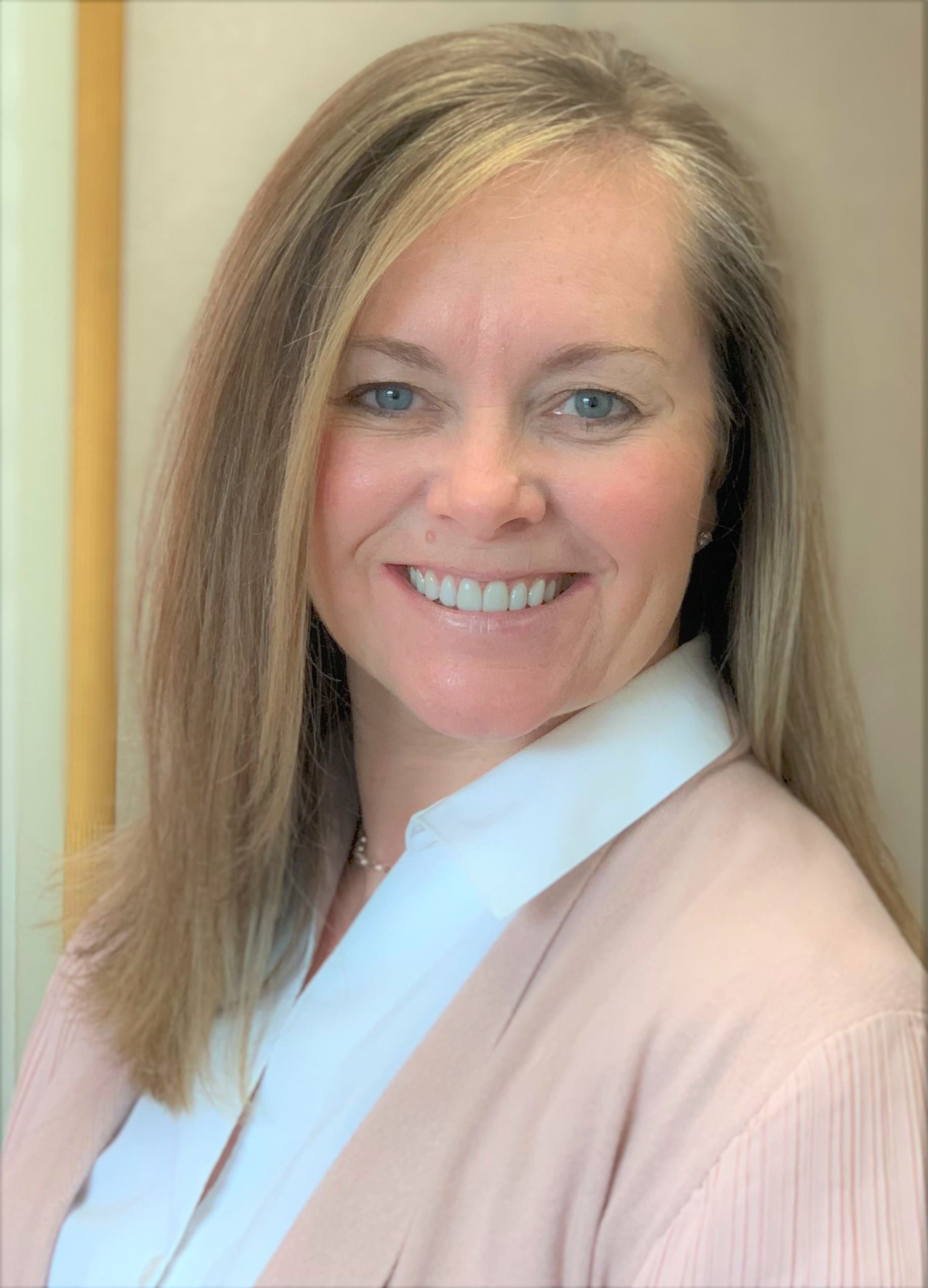
Amy Murray
Executive Director at Bridges
Amy comes from a background in sales and marketing but was drawn to the meaningful work of caring for seniors with dementia. In her almost a decade as Executive Director at Bridges, she has met and helped countless families and caregivers navigate memory care decisions.
Transitioning to a Caregiver Role
“It is a double grief: mourning the changes in your loved one and grieving the life you once shared. “
The caregiver role brings new responsibilities that weigh heavily on top of an already full life. You might find yourself helping with bathing, dressing, meals, and medications, all while still trying to manage your own household, daily routine and potentially your career.
In the process, you may feel the loss of the relationship as it once was. It is a double grief: mourning the changes in your loved one and grieving the life you once shared.
These challenges often spark complicated emotions. Guilt for feeling frustrated. Resentment for all that has been placed on your shoulders. Sadness for what has been lost. All these complex and troubling emotions are normal, but left unspoken and unaddressed, they will add to your burden.
Signs That Caregiver Stress Is Becoming Too Much
“Burnout is not a sign of weakness. It is a perfectly normal human response to an incredibly challenging situation. “
Stress builds quietly until one day you realize you are running on empty. Common signs of caregiver burnout include:
- Constant fatigue or not sleeping well
- Losing or gaining weight because you are not eating properly
- Withdrawing from friends, hobbies, or activities you once enjoyed
- Feeling anxious or depressed
- Struggling to concentrate
- Becoming sick more often
- Denial of the severity of a loved one’s condition
- Irritability
If any of this feels familiar, know that it is fairly typical for family caregivers to go through some variation of this. Burnout is not a sign of weakness. It is a perfectly human response to an incredibly challenging situation.
Caregiver Stress and Burnout Support: Why Asking for Help Matters
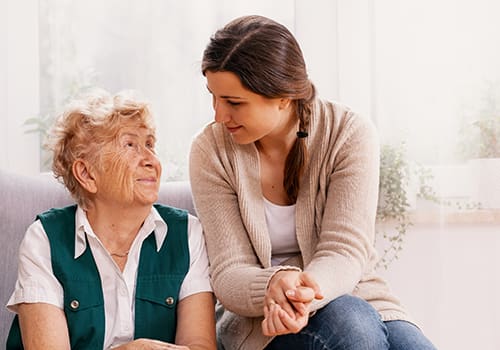
Many caregivers believe they should shoulder everything without complaint. This is the heroic option, the steadfast stoic in the face of a challenging task. There is a perception that you can’t moan or whine about your situation because that would be weak, and it won’t change anything anyway.
This mindset is admirable, of course, but it is a flawed approach. Trying to go it alone, tapping into reserves of superhuman strength, only accelerates burnout. Asking for help is not failure but the right thing to do to protect both yourself and your loved one.
Support can come in small but meaningful ways. A friend might stop by so you can take a walk. A neighbor may pick up groceries. A sibling might handle a few appointments. Even fifteen minutes of relief can restore your energy.
For those close to caregivers: do not wait to be asked. Offer specific help. Drop off a meal. Sit with a loved one so the caregiver can run an errand. Listen to your friend while they vent or gossip about other things in life. These small gestures can make a significant difference to a caregiver’s day.
Outside Support Is Available
“Sometimes the most powerful relief comes from hearing another caregiver admit to feeling exactly what you have been feeling. “
Help also exists beyond your circle of family and friends.
You could seek professional help in the form of therapy or caregiver counseling. More casual support groups create space to process emotions and share strategies. Sometimes the most powerful relief comes from hearing another caregiver admit to feeling exactly what you have been feeling.
At Bridges®, we host caregiver support groups that are free and open to the public. You can attend in person, though we also offer virtual groups. You do not have to have a loved one living with us to attend. These groups offer more than information. They provide connection, community, and a safe place to release the pressure of holding everything inside.
We often see remarkable transformations in these groups. A nervous, uncertain caregiver becomes more confident after hearing others’ stories. Siblings who struggle to divide responsibilities find common ground.
And time after time, caregivers leave feeling lighter, having had their emotions validated and their efforts acknowledged.
I am reminded of two recent encounters that really shed light on the power of these groups.
Validating Anger
“Just hearing somebody else give voice to these feelings helped her relate, and she said she felt a wave of relief that she wasn’t the only one. “
First, a spouse attended their first session with us. She explained to me that she had had an ‘a-ha’ moment when one participant, somebody who had been attending for a long time, spoke candidly about the anger she sometimes felt at her spouse.
This caregiver had genuine anger and bitterness that he often didn’t recognize her, that she resented him for this, for having spent their whole lives together, and that it now felt like he had abandoned her when she herself was starting to need help and support too.
Hearing this woman speak openly about her feelings in this way validated our new attendee. Just hearing somebody else give voice to these feelings helped her relate, and she said she felt a wave of relief that she wasn’t the only one.
Of course, we talked about how to process these feelings and find ways to prevent that anger from becoming all-consuming. But the key moment, really, was hearing that it was okay to experience these feelings in the first place.
Mediating with Families
Two sisters attended one of our sessions, both overwhelmed but also frustrated with one another. Each felt she was carrying most of the responsibility for her mother’s care. Instead of feeling like allies, they had grown defensive and were often at odds about who was “doing enough.”
At the session, we created a safe space where they could hear each other out. What emerged was that both sisters were, in fact, doing a great deal, but in different ways. One handled the day-to-day visits, meals, and medical appointments. The other focused on managing finances, coordinating outside services, and keeping the household running. Each had been so focused on her own responsibilities that she had lost sight of the other’s contributions.
Through conversation, gentle mediation, and some education on what dementia progression might look like in the years ahead, they began to recognize that neither could do it all alone. What they needed was a way to work as a team and some recognition for each other’s efforts. By the end of the session, the tension had eased a bit. They left with a renewed understanding that they were in this together. Ultimately, they valued each other and understood that the more they leaned on one another, the stronger their support system would be for their mom.
Both examples here exhibit what we really aim to do; provide that safe forum for dialogue. Where we can offer education and advice, we will, but primarily, it’s most often about facilitating community and support.
The Importance of Caring for Yourself

It can feel impossible to focus on yourself when your loved one needs so much. But the truth is, you cannot care well for someone else if you are falling apart.
Erica Labb, our Director of Team Member Engagement and Culture at EPOCH Senior Living, always refers to the airplane analogy when talking about caregiving. You always hear the rule on planes: you must put your mask on first, so you can then take care of others. It’s no different in caregiving.
Taking care of yourself does not mean abandoning your loved one. It means giving both of you the best chance at quality time together. Respite, rest, and support help guard against resentment, restore your patience, and preserve your relationship.
The unfortunate truth here is that we all know there is currently no cure for dementia. The reality of the situation means that it is not going to get easier as the disease progresses. Your relationship with your loved one will continue to evolve as you take on extra responsibilities. But this doesn’t mean you can’t enjoy your time together and share moments of joy.
For this to be possible, though, you must lay the right foundations and give yourself a break when you need it.
Caregiver Stress and Burnout Support: A Final Thought

If you are a caregiver, know you are doing enough. I think that is the one thing I will repeat over and over again to caregivers who are experiencing self-doubt, guilt, or any of the other difficult emotions we’ve discussed.
Stress and burnout aren’t signs that you’re failing. Instead, they are reminders that you are only human and that no one should go through what you’re dealing with alone.
At Bridges® by EPOCH, we are proud to be part of your community of care. Our mission, and we strive to reiterate this whenever possible, is to provide compassionate support to everyone affected by dementia, and that commitment guides everything we do.
If you are dealing with the dementia diagnosis of a loved one, or if you are struggling to hold it all together as a caregiver, consider coming to a support group or reaching out for educational resources. If you simply need someone to listen, we are here for you. You do not have to be part of our community to find support here.
Contact us today to learn more about what we do, or visit our events page to find support groups in a community near you.