
In this episode, Sarah and Erica are joined by Devon Sicard, Regional Director of Operations for Waterstone and former Executive Director at Bridges Pembroke. Together, they discuss why fall can be such a challenging time for all of us. They look at things we can all do to cope with those disruptive seasonal changes.
EPOCH Exchange | Ep. 4 | Released October 2025
We discuss:
- What makes fall such a challenging time
- Why it can be especially difficult for those with dementia
- What we can do at home to counteract the effects of less light and colder temperatures
- What Bridges and Waterstone communities do to try and help seniors stay active and engaged
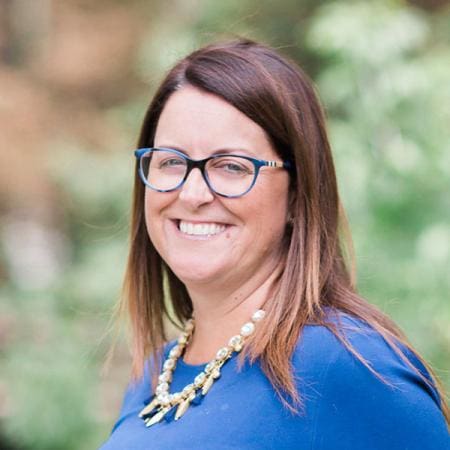
Special Guest:
Devon Sicard
Regional Director of Waterstone Communities
Devon has always had a passion for serving seniors, demonstrated as she has progressed through various roles at EPOCH Senior Living.
Episode Transcript
Hello, and welcome to EPOCH Exchange, the podcast where we have real conversations about senior life, senior living, dementia care, and all the amazing people who make it happen. I’m Erica Labb, Director of Team Member Engagement and Culture at EPOCH Senior Living.
And I’m Sarah Turcotte, Area Community Liaison for several of our Bridges by EPOCH and Waterstone Communities. Together we’ll be your hosts, bringing you stories, insights, and expert voices from across our organization and beyond. Whether you’re a caregiver, a family member, a professional, somebody navigating the early stages of dementia, or somebody considering assisted living, this podcast probably has something for you. We’re here to share what we’ve learned, spotlight the work happening every day in senior care and offer ideas and inspiration to support wellbeing at every stage of aging.
And today’s episode is no different. We are delighted to welcome Devon Sicard to the show. Welcome, Devon.
Oh, thank you for having me.
Devon joined EPOCH in 2015 as a Wellness Director at Bridges by EPOCH in Pembroke. She then moved to Executive Director at Pembroke and later transitioned to Waterstone at Wellesley as the Executive Director, but she didn’t stop there. She was then promoted to Senior Executive Director, where she maintained the standards of Wellesley while supporting all the other Waterstone communities. Now, she is the Regional Director of Operations at EPOCH Senior Living. Devon is responsible for operations across all Waterstone communities, helping seniors in assisted living settings across New England. Devon is a Certified Dementia Practitioner, has a Bachelor of Science in Psychology from Bridgewater State University, holler B-Water, and has earned her RN from Brockton Hospital School of Nursing. So happy to have you with us today.
Thank you. It’s my pleasure.
So, let’s get started on today’s topic. So, I think we’ll start by asking you a little bit about your journey, how you got into this line of work?
Sure. So, I am from a family of nurses, my grandmother, my mother, my aunt, myself, and now my son.
Oh, wow. Congratulations.
Passing the torch.
Awesome.
So, I had my, one of my grandmothers lived with me in my formative years, and then when she moved into senior living, every Saturday between 9 and 12 were my hours with her to visit. So I’d make cookies every Friday night and go visit her and all of her friends.
Oh my gosh.
So, I should have known from a very young age these were my people. That’s where it started. And I just had such a comfort level with seniors from the very start. And when I became a nurse, a friend from childhood actually reached out to me who was the VP of Nursing at a senior living facility, and she said, you would be such a great fit for assisted living, or dementia care, or whichever arm you choose. And I went straight into senior living.
Wow. And that’s so unusual
Highly.
For nurses.
It is.
Yeah. They want that like, sexy, exciting, you know, pediatrics or
Right.
Life on er in the emergency room.
Right
Right. So, I think because I was older, I had, you know, had a family, raised my boys, and I was starting my nursing career at 35. So, I didn’t need to really burn it down.
Right.
You know, I’d wanted to do something that I enjoyed, that I could still have lots of learning to do, but it was something that I’ve always known that the elderly were my people.
That’s, and it’s so natural.
It’s just so natural. Yeah.
Yeah. It shows, you know, being your colleague, it shows, you know,
Thanks.
And it always helps to have a passion in the world of senior care.
Right.
And, you know, it’s, we’re here today, we’re here to talk about a topic that actually, you know, really resonates, I think with seniors, and we were talking and discussing earlier, really anyone at any ages, and it’s really the seasonal change. I can’t even believe we’re embracing another year of seasonal change. I’m a girl who holds on to summer for a long time, but you know, as Autumn sets in and with its shorter days and cooler temperatures, many of us begin to feel subtle shifts in our mood and energy. And for seniors, the seasonal changes can have an even deeper impact. I’m grateful for you to be here, Devon, to share your expertise on this topic. You know, studies have shown that fall can bring feelings of low mood, loneliness or isolation for older adults, especially as outdoor time decreases in people’s routines can shift. And I think it just might be a great start to start this podcast by talking about some of the physical and emotional impacts of, you know, the seasonal change. So, you know, working in this field, you know, what are some restrictions that you see seniors face when summer makes way for Autumn and then changes into winter?
Right. It’s a really challenging time for caregivers, especially because any change in routine is a disruption and dysregulation of the system that has been working for your loved one. So, whether you live at home, you’re taking care of somebody or you’re living in senior living, it’s something that you really need to think about in like mid-August and change the routine by about 15 minutes a week and
Incrementally
Incrementally change somebody’s routine, and that will look a lot like setting up for wake-up and setting up for bedtime. And it’s ideally you wanna limit the impact. But as we know in the summertime, the doors are wide open, the curtains are wide open, and the birds are singing at six in the morning.
The light
The light is coming in. I had a resident in Bridges of Pembroke who wouldn’t get out of bed when fall hit.
Mm-hmm.
Because it was cozy, it was warm, and he just, he didn’t feel right. It wasn’t time to wake up yet. So, we had to put AC CDC on. It was the only song. It was the only way we could get him up outta bed.
That’s amazing.
So, you have to, you really have to work with people’s likes and dislikes.
Yeah.
But also just routine. You have to lean into the new routine of it.
Right.
You know, picking out some fall decorations, picking out some fall clothes that they always like their favorite cozy sweatshirt, that type of thing.
And you know, it’s funny with the routines, and I think Erica and I, and even you and your kids were younger, I can almost relate to this when it’s back to school season, you know, kids are staying up later and waking up later, and you’re slowly making those changes, the weeks leading up to school by going to bed earlier, waking up earlier, and just getting back into a more solid routine.
Yeah. And when you don’t, it’s like, yeah. You know, like it’s the night before the first school night, and the kids are looking at you like, what do you mean I have to go to bed? It’s still, you know, it’s still light out.
Right.
So I love that.
It’s summertime, it’s still Summer vacation.
I know.
Yeah. I love that. Doing it incrementally. We joke about you know, we’re in New England, most of our listeners are probably in New England, most of our communities at EPOCH are in New England area. And so we have colder weather, shorter days, and like we joke about the 6:00 PM you know, like the pajamas go on.
Yes.
Mm-hmm.
Whereas like Summer, early Fall, you’re going for a walk after dinner.
Right.
I mean, you’re still, you might up be out in the garden.
Yeah. You’re productivity dips.
Right, right. And so
That’s tough.
It’s tough.
And I think that, you know, when this is happening, we see a shift in people with their emotional and their behavioral shifts.
Absolutely.
And can you share a little bit about what you might see people experience during these times?
Absolutely. So, when, like I said, when routine changes, it’s upsetting. Your body works in a certain way for a reason. You have circadian rhythms when you feel like you have to wake up and when you feel like you need to go to bed. So sunlight gives, you know, make sure your vitamin D levels are up.
Mm-hmm.
Right up here.
Right.
When your vitamin D levels dip, that affects your mood, your behavior, your bone health, your immune function, mood regulation, fatigue. What’s muscle weakness? It’s real symptoms when you are low in vitamin D.
So like a dose of sunshine is true medication.
Right.
It’s true. It’s two twofold. I was just gonna say that because I’m thinking like, okay, we wanted to ask about that. Like the daylight, right?
Yeah.
That’s a huge, but it’s like physically that vitamin D.
So I always want people taking care of loved ones at home or in a community right after breakfast, go outside, get that vitamin D when it’s not, you know, at its strongest, so you’re not worried about sunburn or overheating, but spend that time outside just even, you know, a couple times a week for 15 to 30 minutes a third of your body mass.
And it comes in your eyes, right, and your skin and yeah.
And I think it’s important to consider and even take that time for fresh air and sunshine, even on a cooler day, there is true benefits to bundling up and getting that fresh air and sunshine.
Absolutely.
Yeah. Like other countries, they, in the schools and with the elderly, like they’re out every day.
Yeah.
I think we’re sort of like, oh, it’s cold and snowy, and I know at EPOCH we’ll be like, yeah, it’s cold and snowy, and if we’re, if we wanna go outside, we’re gonna go outside and enjoy the snow. You know, like trying to be bold, and also, you know, be thoughtful about safety, right? And wellness.
Right.
But also, like, it is great to get outside even if the air is chilly, like to breathe it in and to have the sunlight to sort of help you regulate your mood.
Yes.
And time of day is important to know that it’s daytime and we do like a lot with lighting and I think we’ll talk about that, like
Yeah.
What you can control. And wanted to ask, you know, do your, when you are like working in your communities when you’re working with families, like do you guys talk about this overtly, openly, like the seasonal change? Like what are we doing to prep? You talked a little bit about the preparation, but like, how are you having these conversations?
In my experience, in August, we include it as part of our in-services for our care staff, because they’re all doing it at home. They’re just not doing it intentionally.
Right.
It’s just something that is very subliminal, you know it’s coming, you’re going to Target buying all the books, buying the backpacks, you know, getting the kids ready for school. You’re doing the Winter-Summer switch in your closet. But this is a whole other aspect to it. And it’s for us as well, we change what foods we eat, right? What drinks we drink you know, when somebody has low vitamin D or their serotonin levels have changed as well. It has physical effects.
Mm.
You know, it’s, there’s chemical changes that are happening. Serotonin’s a neurotransmitter and it has huge effects on your mood and, and behaviors. So, we need to plan for that. You know, having tactile things to occupy somebody instead of being outside; because what would you do if a door that’s always open all of a sudden isn’t open to you anymore?
Mm-hmm.
You’d start pacing, you’d start feeling distrustful, you’d start feeling a little nervous, like, why can’t I go do what I want to do?
Mm-hmm.
So, you just wanna make sure that those folks have more things to do inside.
Right.
You know, whether it’s painting pumpkins or making name cards, including them, you need to be including them in all these things and framing it so it’s a positive change.
Absolutely.
Yeah.
And I think, you know, when you’re saying this, you had mentioned earlier, you’re not only doing this, you know, with the things you’re eating and going outside, but your environment, too. You talked about decorating and, you know, I think about you’re not eating a hot bowl of beef stew in the Summertime.
Mm-hmm. Right.
Those are things that you’re doing in the Fall and Winter. So, it’s considering all those things. And I think it’s most especially important, you know, when we’re thinking about, you know, daylight savings time and the time change most especially with people with dementia, you know, I think that the time change can be difficult for all of us, right? But most especially for people with dementia, because it can create more stress and confusion and disrupt their day-to-day rhythm. And it’s really something that might be out of their control to manage. So, we’re really leaning on the caregiver, right? So, with your experience, can you just talk maybe a little bit on the caregiver perspective and how they can prepare to advance and minimize this for their loved ones?
Like I said, make sure that the routine can stay as unchanged as possible, but include them in some choices. Give them two choices for, you know, layers.
Yeah.
Um, and make it fun. Say, oh my gosh, we got this in your favorite color. Would you like this today? Or this? Give them that independence. Sense of independence.
Yeah.
But give them a choice.
Right.
I like what you said about like, including people in the celebrations.
Mm-hmm.
Right? Like the, like decorating for Fall is a thing that I feel like for those who want an endless Summer, like Sarah, like you can get behind like putting up all the fall decorations. It offsets the sadness of
Yes.
Of summer ending, if that’s your thing. Or like a less light by adding more light or
Ambient lighting.
Yeah. Ambient lighting, right? ‘Cause we know that that will help like at that four o’clock, 3:30, 4 or five o’clock hour, like making sure that you’re set up with the extra light and offsetting and including people in the fun parts of the seasonal changes.
Right. You know, leaf peeping.
Mm-hmm.
Go out for rides and go leaf peeping, go to an apple farm.
Right.
You know, multi-generational activities especially are key, you know, making sure that the pets are included and the grandchildren are included, but whoever’s in your circle, include them. You know, you can go out and make sure that they’re included in many different things that you do. People in a wheelchair or a walker can go to the apple farm, right?
Right.
They can go pick out pumpkins and then it’s a whole activity when you get home as well.
And kids love that too.
Yes.
Like I know the Westford Bridges, here in Westford, the seniors will go apple picking with the high school students and then they bake apple pies.
Yes.
Like, who doesn’t wanna bake apple pies? I mean, I’m not even a baker. I mean, I love that in the fall and to do it intergenerationally.
Yeah.
Like there are certain things that are timeless that are enjoyable to all ages. And when you go apple picking, even just sitting there and watching like all the activity, and now you can’t just go apple picking. There’s like llamas there and there’s apple hay rides.
Apple cider donuts and there’s sunshine. The fresh air.
One of the best things about the Autumnal splendor is the five senses. It is like
I love that.
It’s an assault on the five senses, and that all matters.
Totally.
And I think it’s important to get out there and experience those things. But as you said, bringing it home, like I think about things that we do at our communities during these months, and it’s little things like putting the lights on before it actually gets dark and setting your environment up to be a little more failure free, right?
Yeah, exactly.
How do you like, ways you as the season goes on, right? It gets colder, we start thinking about safety, right?
Mm-hmm.
And preparing for even darker times.
Mm-hmm.
You know?
Yeah.
Literally. Tell, talk a little bit about that. Like what changes now as you go through the Fall months and into Winter preparations?
So, it’s really important to get that energy out, get that exercise up.
Mm-hmm.
You know, there’s lots of YouTube videos, there’s lots of ways that we can exercise in a chair at this point.
Yeah.
You know, we have yoga, we have tai chi, we have all sorts of meditation.
Mm-hmm.
Again, sensories, you know, you can put a candle on and put the lights down, you know, late in the afternoon just to slow it down a little bit.
Yeah.
But before then, you know, in the morning and in the midday, you really need to make sure people get some exercise.
Right.
Just to, um, to make them tired.
Yeah. And boost Mood.
And boost mood.
Yeah.
Those endorphins, it all matters.
It also helps you get a better night’s sleep when, when you’re staying active.
It sure does.
You know, I think during these months we tend not to be as active as we are in the Summer months, and that could be affecting your sleep at night.
Yeah. All I want do is sort of eat and lay around.
Mm-hmm. Well, you gain weight and then you, you know, blood pressure issues and all sorts of things. Your joints are stiff and you’re not feeling good. The affecting your mood.
Right.
Right?
Right. So getting the exercise, motivating each other to exercise, motivating your loved one,
It’s a cascade of events.
Yeah.
Right. And you wanna halt that as much as you can.
Right.
And what would you say to someone, you know, if you’re noticing or you’re maybe feeling more isolated or you noticed, you know, someone is more isolated or low energy during this time of year, what advice are you giving, would you give these folks?
So first I would rule out anything medical, right? You know, make sure that they’ve had a recent doctor’s appointment, they’ve had, you know, a urine analysis, all those types of things that you can easily rule out.
Sure.
If none of those things are the case, make sure they’re getting that sun, you know, a couple times a week, make sure they’re exercising.
What about socialization too?
Well, that’s the thing. So now that we have FaceTime with families, we can, you know, every day you can have that, oh, we’re gonna FaceTime the grandkids at 4:30, right?
Yeah.
Right after homework. You know, you can have those types of conversations and it’s an expectation now, you know, that you can stay in touch with people even though they can’t come see you.
Absolutely.
So that’s huge. You know, routine visits are so important. Um, lots of forms of therapy, but nothing like touch.
Mm.
Right. Make sure that
Right.
Make sure that you’re hugging, make sure that you’re, you know, doing hand massage, you know, anything like that just to make sure people are feeling loved.
Yeah. I so glad you brought that up, because I do feel like you talk so much about senses and you have the background of like the nursing side of it and like, you know, running communities for folks of, at all different levels with dementia, without dementia. But that physical piece of comfort, and elderly people tend not to be held, or they have a lot less opportunity for physical touch. And I know like, sometimes we do stuff with massage, but also just like holding someone’s hand, covering them with a warm blanket.
Yeah.
You know, and like that physical love and a affection, which does not come naturally in all families or with all but like, as a caregiver, like trying to find a way that’s comfortable to do that
Right.
Really offers somebody like that mental wellness of being cared for.
Connectivity?
Connection.
So, connection is a really tricky word with dementia because the more you realize, self-realize that you’re having trouble communicating, or in social situations, the more you tend to isolate or back away from having real conversations.
Right.
So, you wanna make sure, you know, people have word finding issues, they get embarrassed.
Right.
You know, it becomes a dignity issue. So, you really wanna make sure that the nutritional factors are not an issue, that they’re in a calm environment, they’re literally reducing clutter from their lives.
Right.
Whether it be visual clutter, auditory clutter, and give them only two options. And then at a certain point, one option.
One option.
Mm-hmm.
But choice.
But choice as, yeah.
Simplify, simplify, simplify.
It’s true.
Yeah.
And I think of specifically dementia and when we’re slowing down in the cooler months and around the holidays and taking someone by the hand and opening the curtains together
Yeah.
Or hanging the decorations together.
Right.
Or looking at a recipe.
Yeah.
You know, a recipe for a holiday, say, you know.
Yeah. So, there’s, there’s a great story. I loved this family. They were so incredibly creative. Their loved one had this generational recipe for cookies for the holidays, and instead of just bringing them in, they told the community about it and said, we’re going to make cookies for the entire community, don’t you worry, we’re gonna take her to Big Y and buy all the ingredients together, just like she’s been doing her entire life, and that, you know, she did with her own mother and grandmother. So, they went out and grocery shopped, they came in and as a community, you know, their neighborhood made the ingredients, you know, put it all together. They baked the cookies and it really was like a daylong extravaganza.
Wow.
All for her cookies that she wouldn’t stop talking about, right?
Oh my gosh.
So it fulfilled that need and that connectivity, and it was a beautiful, beautiful exchange.
We all wanna be, we all wanna have purpose.
Yeah.
And so by doing that, it like brought purpose and joy and not only for her, but everyone else participated.
Right.
You know, it’s such a nice way, sometimes we don’t know how to visit with someone in the winter.
Yeah. Mm-hmm.
Like, other than turning on the tv.
Right.
But baking is a great way to visit with someone
Those long-term sensory memories, right?
Mm-hmm.
So, it opened up an entire conversation between people that sit together all the time about what are your favorite things that you remember when you were a child? What did you eat? What was your favorite at Christmas? Or what did you make for Easter? Everybody has that. Most people have that in common, that they celebrate holidays.
Right.
And have all those memories.
Right.
Sot it’s connectivity
One of those activities that hits all five senses too, right?
Yeah.
You’re following directions, you’re using your eyes.
Yeah.
You’re smelling as it’s baking
You’re tasting the cookie
You’re tasting it.
Yeah. And it’s community.
Exactly.
And, and we’re trying to bring community to our loved ones
Right.
For ourselves, you know, for each other. Try to bring us all together because we know the positive effects of that.
Yeah.
And you know, a lot of older folks, people that we’re providing care for or those of us that are older, I think early on it came very easily to find community in your neighborhood at your church or your temple you know, wherever you practice your spirituality. It was a very communal, and I think, you know, generally speaking, like we’ve moved away from that. We kind of live more isolated lives and so the built in community isn’t always there, so you really gotta like look for it and work for it and find a place to have that community because we need it for a healthy, happy existence.
Yeah. And it actually brings up a great question. You know, how do you train any of the team members that you might work with, Devon, to recognize subtle signs of seasonal depression or disengagement with your residents? Because some of these tips or things to look for might be helpful to a family member.
Sure. You know, any change in function, are they isolating in their bedroom? Do they not wanna take part? Are they sore? You know, are they not eating as well? Are they not drinking as well? You know, in the summertime we’re always pushing fluids, you know, every time we go outside, do you have water?
Mm-hmm.
Here, have a sip of this. Have a sip of that. In the winter we don’t think about it.
Right.
We really don’t. And dehydration changes, you know, somebody’s day very quickly.
Mm-hmm.
Especially the elderly with medications and that type of thing. So as a caregiver you really have to be cognizant of, you know, even skin. You know, you have to make sure that everybody is eating and drinking well, make sure they’re getting up and around. You don’t want them to get any sores sitting too long or in bed too long. It all goes back to that routine. If the routine changes, you really have to ask why.
Yeah. That’s a great piece of advice.
Yeah. And that’s kind of where we started with the routine.
Mm-hmm.
You know, and starting early in the season, preparing, being mindful and proactive about the season approaching.
Yeah.
And we kind of can do that every season.
Yeah.
You know
And I think it just goes to show the importance of routine at any age. We really thrive on it. And I think creating a healthy routine, whether it’s, you know, the routine we do in the morning or during the day or they say sleep hygiene and routine is so important too. So, thank you for all these reminders. You know, as we’re getting ready to wrap things up, Devon, are there any other things that you might want to share with the audience that would be helpful when they’re thinking about seasonal depression and just things to keep in mind during this time of year?
You know, I think that just getting as much light as possible, getting out and about, you know, I know sometimes it can be a stressor, bringing your loved one out that has ambulation issues, memory loss can sometimes be resistant, but really making the effort to try to get people outside during the day in the light. And not just to doctor’s appointments, but to fun things.
What’s your favorite winter activity?
Oh my gosh. Oh
Do you have one?
Of course. Probably going to get apple cider donuts.
Yeah. Yeah. Good Fall activity. I’ll give you that one. Yeah. You have any favorite activities in the fall or winter?
Well, I love to bake. So like Devon shared, I am someone who loves to bake during the holiday season. We have a lot of different family recipes and it’s a way to bring joy, not only to my house, but delivering it and finding social opportunities when you’re delivering cookies amongst family and friends or even donating them to a local community center.
I love that. And then it gives meaning behind the baking.
Mm-hmm.
Well, we’ll be waiting.
Well, when you say it’s a daylong event, it’s a daylong event.
It really is.
Well, Devon, thank you so much for joining us at the EPOCH Exchange. This has been a pleasure. It went by super fast.
It really did.
But we had a great time with you. Thank you so much. And as always, Sarah, thank you.
Yeah, thank you. And until the next time, we look forward to seeing you on the EPOCH Exchange.
Sarah will be baking for all of us.
Yes.
So stay tuned. Thanks y’all.
Want to Learn More?
Visit our guides to dementia and Alzheimer’s and memory care. These articles are a great place to start learning about this disease and what care looks like in a memory care community.
For more answers to quick common questions, visit our FAQ page.
You can also check out our upcoming events for caregiver education and support.