
Winter can feel long when you care for someone living with dementia, and this is not just “in your head.” Your body and brain respond to light, temperature, and routine. When those change, there are biological consequences.
For a person with dementia, every day, their brain works around memory loss, confusion, and fatigue. For some, the changes around winter are an added stress to an overworked brain.
Marie Clouqueur, LICSW, a clinical social worker at McLean Hospital who focuses on geriatrics, puts it this way: “Dementia already asks a lot of the brain. Winter can pile on more work.”
You may see changes in sleep, appetite, interest, or mood. You may notice more “emptiness” or apathy. You may worry about depression, or about sundowning getting worse as the light fades earlier.
At Bridges by EPOCH, we see these winter patterns in those we support. The good news is that you don’t have to be passive. You can’t change the season, but you can adjust the environment and your mindset.
Quick takeaways for winter dementia care
- Winter can worsen confusion, sleep issues, and mood because of less light, more indoor time, and disrupted routines.
- Small “support blocks” like steady routines, light, movement, rest, and medication can help stabilize mood.
- Your mental health as a caregiver matters just as much as your loved one’s. It is okay to ask for help.
- Memory care communities like Bridges by EPOCH can provide structure and safety when winter caregiving at home feels too much.
If you’d prefer to listen than read, we sat down with Marie to discuss dementia care through winter in the latest episode of our EPOCH Exchange podcast:
Why does winter feel harder when you live with dementia?
Winter feels harder because less light, more time indoors, and cold weather strain your body and brain. For someone with dementia, that extra strain can tip the balance.
Marie describes winter as “an assault on our biology.”
You are wired for light, movement, and social contact. But winter often means you move less, see fewer people, and spend more time in dim rooms. That makes it harder to keep up healthy habits that support your mood.
For a person living with dementia, the load is even heavier:
- Dementia already disrupts memory, attention, and emotional control.
- Winter can worsen sleep problems, confusion, and late-day agitation.
- Cold and ice make it harder to get outside, exercise, or attend activities.
What is the idea of the body and brain as a tower of blocks?
“Winter struggles are a normal response to real changes in biology and the environment.“
Marie talks about the Jenga tower as a helpful visualization. Imagine the brain and body as a steady tower of blocks. Dementia slowly removes some blocks as it progresses, making the individual more vulnerable. Then, winter removes a few more of these blocks: sunlight, easy movement, safe sidewalks, and simple outings.
The result? The tower becomes less steady.
Your goal is to add support to their tower wherever you can. That might be through light, routine, rest, company, or medication when needed. Each support makes the winter load a little easier to carry.
It is important to remember that winter struggles are a normal response to real changes in biology and the environment. You can respond with practical steps to try to counteract some of these natural changes.
What is the difference between winter blues, depression, and apathy in dementia?

You can think of winter blues as a mild seasonal slump, depression as an illness that needs treatment, and apathy as an absence of pleasure.
What are the winter blues?
Winter blues describe a common dip in mood during colder months.
You might notice:
- Lower energy
- Less motivation to go out
- More time on the couch or in bed
You or your loved one may still enjoy activities once you get started. You can often lift winter blues with light, movement, and social contact.
What is depression in winter?
Depression goes deeper and lasts longer. Seasonal affective disorder (SAD) is one kind of depression that follows a seasonal pattern. Symptoms usually begin in late fall or early winter and ease in spring.
Signs of depression can include:
- Persistent sadness or emptiness most days
- Loss of interest in activities that used to bring pleasure
- Big changes in sleep or appetite
- Trouble thinking or making decisions
- Feelings of worthlessness, guilt, or hopelessness
In dementia, depression may look different. You might see:
- More withdrawal or tearfulness
- More agitation or irritability
- More confusion or loss of focus
If mood changes last for weeks and interfere with daily life, you should talk with a doctor. Depression is treatable. Treatment may include therapy, activity changes, light therapy, and possibly medication.
Marie offers a simple image for depression: “Depression is like a voice that says, ‘Cancel your plans. You will feel better if you stay home.’ It has one trick, and that trick does not work.”
What is apathy in dementia?
Apathy is not the same as sadness or depression. It is more like an emotional “emptiness” or loss of drive.
You might notice that your loved one:
- Does not start activities on their own
- Seems flat or “blank” even when others are cheerful
- Needs more prompting to join in
- Does not seem bothered by doing very little
Research shows that apathy is common in dementia and that many factors lead to apathy. These factors can include changes in brain chemistry, but also modifiable environmental factors and caregiver approaches.
Marie explains apathy in this way: “When you encounter apathy, it is harder to make someone light up. Their pleasure system is harder to reach. Part of this may also be that they are cognitively ‘full’ at that moment, and therefore not receptive to a caregiver’s attempts at stimulation.”
A key point in Marie’s thinking here is that apathy itself does not mean someone is depressed.
You can respond:
- Lower the bar for what “engaged” looks like.
- Offer short, simple activities that match their current abilities.
- Celebrate small moments of connection and don’t expect long stretches of activity.
- Learn to know when they need some space to rest and be left alone.
If you are unsure whether you see depression, apathy, or both, you do not have to decide alone. Share what you see with their medical team. They can help you determine the next steps for winter care.
How can “Jenga blocks” or scaffolds support mood in winter?
“We experiment. We add a block, we see what happens, then we adjust.”
You can use scaffolds, or small “Jenga blocks” of support, to steady daily life when winter and dementia pull blocks away.
Marie often says, “We experiment. We add a block, we see what happens, then we adjust.”
There is no all-encompassing big solution, a cure-all that’s going to fix everything. You need several small supports that work together to alleviate the effects of winter:

Get enough light
As mentioned, our bodies rely on light cues for regulation. There is a biological need to get enough light and vitamin D.
Try simple light supports first:
- Open blinds and curtains fully during the day.
- Sit together near a bright window in the morning.
- Turn on lamps before the house feels dim in the late afternoon and evening.
Use warm, consistent lighting in common areas to reduce shadows and confusion. Some families ask about light therapy boxes for winter depression. These devices can help some people, but they are not right for everyone.
If your loved one has eye disease, bipolar disorder, or takes medications that affect light sensitivity, these boxes can be detrimental. Often, basic steps like more natural light and brighter indoor lighting are a safe and effective place to start.
Build simple daily supports
Think in small, reliable pieces rather than big projects.
You might:
- Keep wake time, meals, and bedtime roughly the same each day
- Offer one or two clear activities in the morning when energy is better
- Use familiar music or photos to anchor the day
- Plan short visits with family instead of long, tiring events
Support the body
The body and brain work together. Physical comfort helps mood and behavior.
You can:
- Dress in warm, soft layers that are easy to move in
- Encourage gentle movement indoors, such as short walks or simple stretches
- Take advantage of outdoor time if the weather is okay
- Offer regular snacks and drinks to avoid long gaps
- Watch for pain or discomfort that might show as agitation
If you want more ideas, the National Institute on Aging shares practical caregiving tips for supporting the body.
Support the mind
Engagement does not need to be complex.
Try:
- Short, hands-on tasks like folding towels or watering plants
- Simple crafts or games that match current abilities
- TV or movies you know they enjoy, watched together
- Reading aloud from favorite books
Marie’s guideline is helpful here: “If they can join for ten minutes and enjoy it, that counts.”
Don’t demonize rest
Winter often causes more fatigue. Dementia adds heavy cognitive work. It is normal to need more rest.
Watch what happens after a nap:
- If they wake calmer and more able to participate, the nap likely helps
- If naps lead to more confusion or worse sleep at night, try to shorten or shift them earlier
Consider medication
Sometimes, issues stay severe despite good routines and the best of intentions. At those times, a clinician may suggest medication for your loved one or for you.
Marie frames it this way: “Medication can turn the volume down, so other supports have a chance to succeed.”
In other words, medication won’t replace light, activity, or connection, but it can help these supports work better.
Always discuss risks, benefits, and goals with their medical team. Medication is one more scaffold, certainly not the entire tower.
What can you do about sundowning in winter?

Sundowning often gets worse in winter because it gets dark earlier. There are things you can do to soften the impact:
Try to:
- Give more light in the late afternoon. Turn on the lamps before it gets too dim outside.
- Keep late-day plans simple. Lean on familiar music, TV, or activities instead of busy, potentially overstimulating outings.
- Offer a light snack or a drink, since hunger or thirst can drive agitation.
- Reduce noise and hard decisions after mid-afternoon to keep this a peaceful time.
Marie reminds caregivers that the “cognitive work” of a full day with dementia is huge. “If a short, earlier nap leads to a calmer evening, that nap can be part of your plan. If late naps make nights worse, then you need to rethink. Think in experiments and adaptations rather than hard-and-fast rules.”
If sundowning suddenly worsens, or comes with fever, pain, or big behavior changes, you should call the medical team. Sudden changes like this tend to mean infection, pain, or other illnesses, likely something bigger than a reaction to winter.
How can you protect your own mental health as a caregiver in winter?

Your mood matters as much as your loved one’s. You cannot pour from an empty cup, especially in a long winter.
Start with small, repeatable habits:
- Step outside or sit by a bright window every day, even for a few minutes.
- Talk with at least one supportive person each week.
- Keep one simple activity just for you, such as reading or going for a walk.
Notice warning signs in yourself: constant irritability, dread, or a feeling of hopelessness, for example. If these last more than a couple of weeks, talk with your doctor or a therapist. Winter depression and caregiver burnout are common and treatable.
Marie often reminds caregivers, “You are on a parallel track.” Your loved one may be okay today, while you are not. It is valid to seek help for yourself, including counseling, support groups, respite care, or medication if your clinician recommends it.
When should you ask for more help, and where can you find it?
You should ask for more help when things feel bigger than what you can cope with.
Reach out to the care team if you see these symptoms in your loved one:
- Mood changes that last for weeks
- New or intense aggression, fear, or wandering
- Big drops in function, sleep, or eating
You should also seek help if your own thoughts start to sound like “I cannot do this at all.”
Help can include changes in routine, in-home supports, day programs, short stays, or medication. None of this means you failed. It means the current plan is not enough for a winter load.
Marie works with McLean to give caregivers education, care planning, and coaching tailored to dementia.
McLean recently received more funding through a new approach to dementia care called GUIDE (Guiding an Improved Dementia Experience), developed by the Centers for Medicare & Medicaid Services.
As Ipsit Vahia, MD, interim chief of McLean’s Division of Geriatric Psychiatry, states:
“Rather than looking at dementia as just a medical condition, the GUIDE model acknowledges the breadth and depth of the impact that the disease can have. This approach incorporates aspects of care that were not previously reimbursed, such as geriatric care management, home care services, and caregiver support.”
The program helps caregivers:
- Understand what to expect as the disease changes
- Plan supports at home and in the community
- Get emotional support as a caregiver
Explore the help available at McLean.
What can Bridges by EPOCH do to offer support?
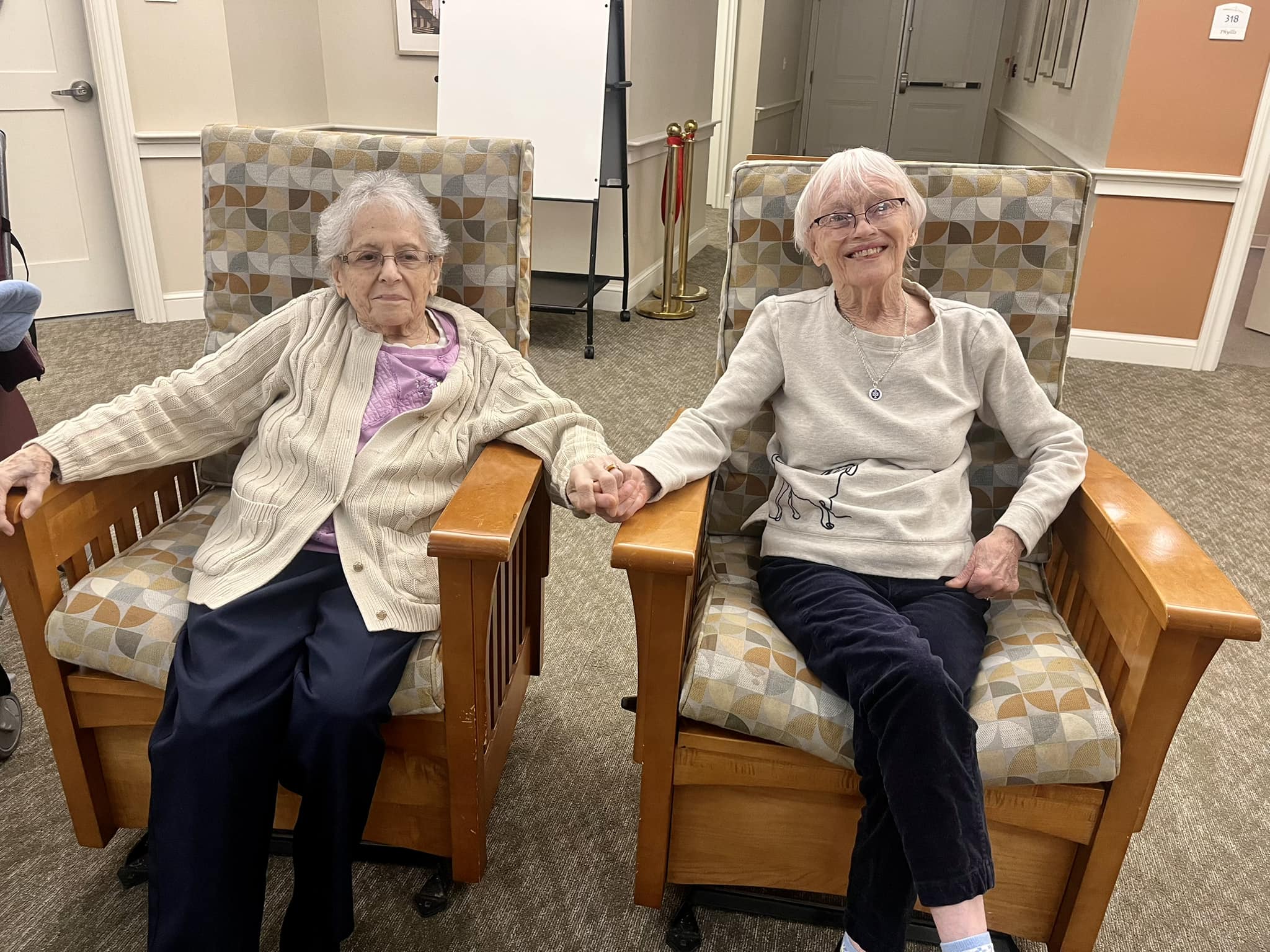
At Bridges by EPOCH, our memory care communities are designed to replace some of the “blocks” winter often takes away. Winter can bring added challenges, but you don’t have to face them alone. With the right supports in place, the season can feel more manageable for both you and your loved one. We offer:
- Safe, secure environments that reduce fall risks and wandering.
- Bright, welcoming common areas and a purposefully designed community for those with dementia.
- Structured daily routines and engagement tailored to each resident’s abilities and interests.
- 24/7 specialized dementia care from a team that understands the challenging behaviors associated with the disease.
- Support for families and caregivers, including education, communication, and guidance through each stage of the disease.
For some families, that might mean exploring short-term respite care during the winter months. For others, it may be the right time to consider a longer-term memory care plan that offers more stability and safety.
We’re here to help
Consider joining some of our regular educational events and support groups, either virtually or in-person.
Reach out to Bridges by EPOCH to ask questions, tour a community, or simply talk through what you’re experiencing.
We’re here to help you find the level of support that makes life feel more manageable.